Conference Program
Saturday, August 29th
09:30 – 13:15
Please note that the scientific program officially begins at 09:30 in the Auditorium. The Grand Café (1st floor H’Art Museum) opens for conference delegates from 09:00 onwards.
Abstract numbers will become clickable a few days before the conference, when the online Conference Abstract Book is published and made publicly available.
Presentation slides and conference recordings will be released in phases after the conference. PDF and Vimeo icons that are greyed out or not clickable indicate that the content is not yet available.
Access to presentation slides and conference recordings is included for all registered in-person attendees (Early Career, Regular and Industry registrations) and Video On Demand purchasers.
Video on Demand packages will become available shortly, allowing structured online access to conference recordings after the event.
Auditorium
09:00–10:00
Chair: Andrew Ewing
Sat 29 Aug
09:30
30 min
Auditorium
Plenary 4 — Introducing the International Society of Long COVID & Post-Acute Infection Syndromes”
This plenary session marks the official introduction of the International Society of Long COVID & Post-Acute Infection Syndromes (ISLC-PAIS). Members of the Society’s Board will present its mission, vision, and future plans to advance international collaboration in research, clinical care, education, and professional development, followed by an interactive panel discussion.


10:00
30 min
Coffee, Tea & Water Break + Poster Presentations
Grand Café (1st floor H’Art Museum)
10:30 – 12:00 · Parallel Sessions
Parallel Session 7A — Viral Persistence vs Autoimmunity
Auditorium
10:30–12:00
Chairs: Danny Altmann and Rae Duncan
Sat 29 Aug
10:30
25 min
Auditorium
Biomedical Track
ERASE LC RESULTS: An Open-Label Clinical Feasibility Study of Remdesivir for Long COVID
This session will present findings from the ERASE LC study, an open-label clinical feasibility trial investigating the use of remdesivir as a potential antiviral treatment for individuals with Long COVID. The presentation will outline study design, feasibility outcomes, and preliminary efficacy signals, with a focus on symptom burden and functional recovery. Implications for targeting viral persistence and informing future randomised trials will also be discussed.
Mark Faghy | Professor of Clinical Exercise Physiology
Loughborough University, Loughborough, United Kingdom
Sat 29 Aug
11:00
15 min
Auditorium
Biomedical Track
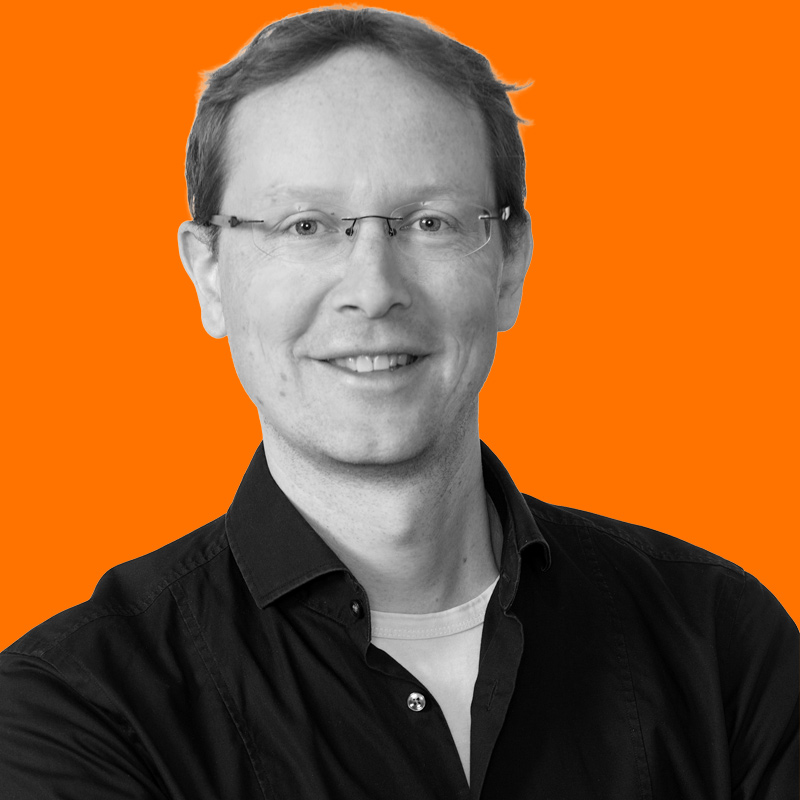
Autoimmunity as a cause of Long-COVID and ME/CFS?
This session reviews current research into the potential role of autoimmunity in Long COVID and ME/CFS, with a particular focus on autoantibodies and their possible contribution to the pathophysiology of Post-Acute Infection Syndromes (PAIS).
Jeroen den Dunnen | Associate Professor & Head Center for Infection and Molecular Medicine (CIMM)
Amsterdam UMC, Amsterdam, the Netherlands
Sat 29 Aug
11:20
10 min
Abstract #27
Auditorium
Biomedical Track
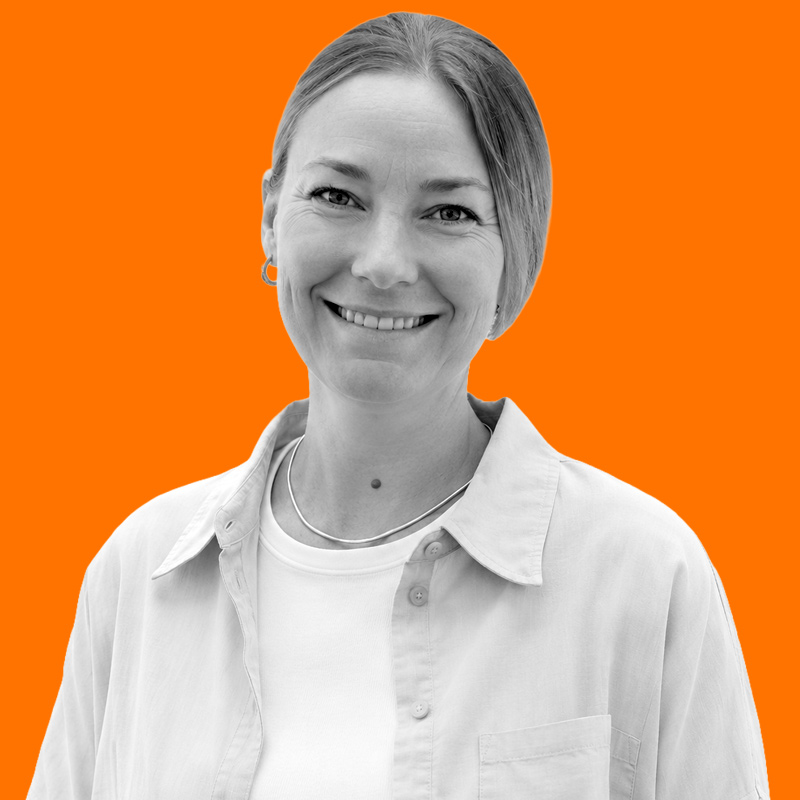
Functional autoantibodies targeting GPCRs – an autoimmune phenomenon for a Long-COVID subgroup
This presentation examines the role of GPCR-targeting functional autoantibodies in Long COVID and their association with fatigue, post-exertional malaise, and cognitive symptoms. Findings from a randomized Phase IIa trial suggest that neutralizing these autoantibodies with Rovunaptabin (BC007) can significantly improve fatigue and quality of life, supporting GPCR-fAAbs as a promising therapeutic target.
Merle Flecks | Research Associate & PhD Candidate
Erlangen University Hospital, Erlangen, Germany
Sat 29 Aug
11:34
10 min
Abstract #170
Auditorium
Biomedical Track
Functional Antibody Profiling Reveals Divergent Immune Trajectories in Lyme Disease
This presentation introduces a novel immune profiling platform (B-FLIP) that provides detailed insights into antibody responses following Borrelia infection. The findings reveal distinct immune signatures associated with recovery versus persistent disease, identify unexpected IgE- and mast cell-related mechanisms, and demonstrate how high-resolution antibody profiling may support biomarker discovery, patient stratification, and the development of targeted therapies for chronic infection-associated diseases.
Vanessa Krémer | Postdoctoral Associate
Massachusetts Institute of Technology, Cambridge, United States of America

Sat 29 Aug
11:48
10 min
Abstract #7
Auditorium
Biomedical Track
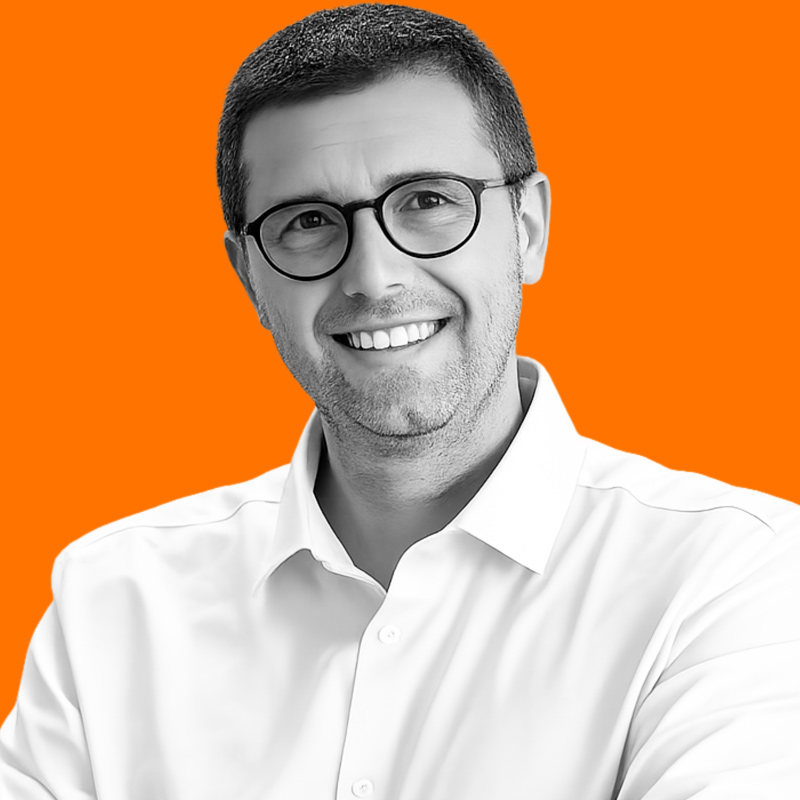
Pathogenic IgG from long COVID patients with neurological sequelae triggers sensitive but not cognitive impairments upon transfer into mice
Can autoantibodies drive neurological symptoms in Long COVID? This presentation explores evidence that IgG autoantibodies from patients with neurological Long COVID bind to peripheral sensory neurons and induce pain-related symptoms in a mouse model. The findings provide new mechanistic insight into the potential role of autoimmune processes in the pathophysiology of neurological Long COVID.
Charles Nicaise | Professor of Cell Biology & Histology Faculty of Medicine
University of Namur, Namur, Belgium
Parallel Session 7B — Patient treatment without guidelines
Church Hall
10:30–12:00
Chairs: Merel Hellemons and Asad Khan
Sat 29 Aug
10:30
25 min
Church Hall
Clinical Track
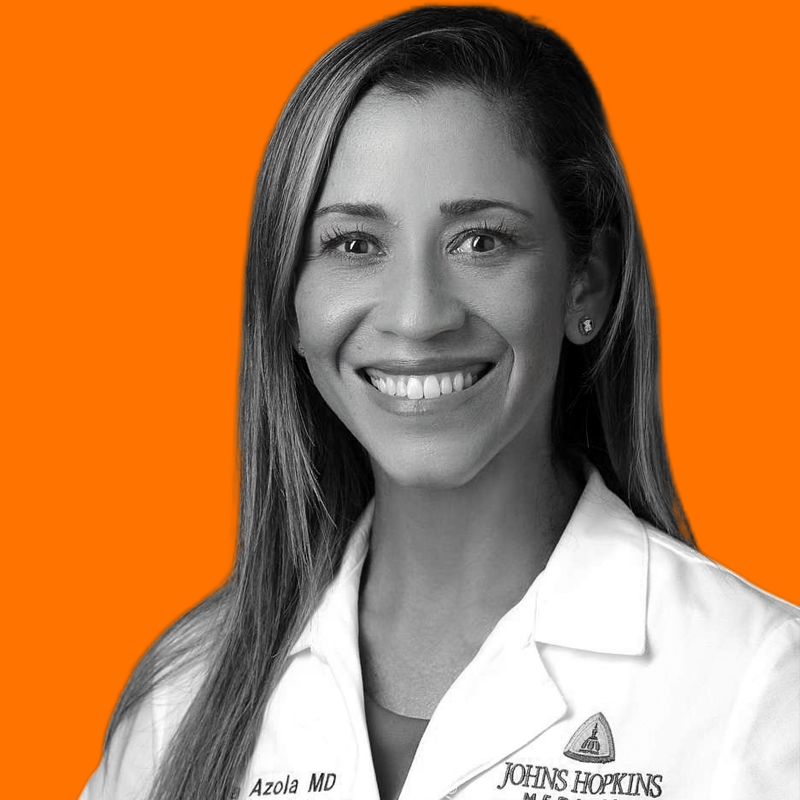
Clinical Management of Long COVID and ME/CFS: Practical Approaches for Complex Chronic Illness
This session will focus on practical, evidence-informed approaches to the clinical management of Long COVID and ME/CFS. Drawing on clinical experience and current research, Dr. Azola will discuss the assessment of complex patients with neurological, autonomic, and post-infectious symptoms, and how these insights can support individualized care.
Alba Azola | Assistant Professor & Research Fellow
Johns Hopkins University School of Medicine, Baltimore, United States of America
Sat 29 Aug
11:00
25 min
Church Hall
Clinical Track
Patient-centred treatment of Long COVID in the absence of (inter)national guidelines.
This session explores a pragmatic, patient-centred approach totreating Long COVID in the absence of nationally and internationally agreed clinical guidelines. Drawing on experience from a multidisciplinary specialist clinic, Dr Kane will discuss holistic assessment, personalised care, and the safe use of repurposed medications alongside non-pharmacological strategies to support patients with this complex, multisystem condition while the evidence base continues to evolve.
Binita Kane | Consultant Respiratory Physician & Founder and Clinical Lead
The Long COVID Clinic, Liverpool, United Kingdom
Sat 29 Aug
11:30
25 min
Church Hall
Clinical Track
Panel discussion
Dr Anna Porter is an experienced GP with a special interest in Long Covid and post-viral illnesses. In 2020, she developed Long Covid herself and was bed bound for many months. Now largely recovered, she brings her professional expertise and insight through lived experience, to her work with patients. She has worked both in an NHS hospital outpatient Long Covid Clinic in England, and at The Long Covid Clinic with Dr Binita Kane. Claire Jones is a Consultant Physiotherapist and Non-Medical Prescriber who leads the Post-Acute Infection Service for Betsi Cadwaladr University Health Board in North Wales. She specialises in the assessment and management of complex post-infectious conditions and the development of multidisciplinary, patient-centred services.
Dr Anna Porter | General Practitioner with a special interest in Long Covid
Claire Jones | Consultant Physiotherapist and Non-Medical Prescriber

Parallel Session 7C — Disease Mechanisms in PAIS
Washington
10:30–12:00
Chairs: Danielle Beckman and David Joffe
Sat 29 Aug
10:30
10 min
Abstract #45
Washington
Impact Track
Persistent Neurovascular Dysregulation, Neuroinflammation and Cerebral Hypometabolism Following SARS-CoV-2 Infection: A Longitudinal Multimodal Imaging Study
Using advanced longitudinal brain imaging, this study examines the relationship between cerebral blood flow, blood-brain barrier function, neuroinflammation, and brain metabolism following SARS-CoV-2 infection. The findings identify persistent neurovascular abnormalities and cerebral hypometabolism that may contribute to the neurological and autonomic manifestations of Long COVID.
Julia van der Bie | PhD Candidate, Animal Science Department
Biomedical Primate Research Centre, Rijswijk, the Netherlands
Sat 29 Aug
10:44
10 min
Abstract #151
Washington
Impact Track
Decreased cerebral blood flow in Long COVID is associated with dysautonomia
This study investigates cerebral blood flow changes during standing in long COVID patients who do not meet the diagnostic criteria for POTS or orthostatic hypotension. The findings suggest that reduced cerebral perfusion is linked to autonomic dysfunction and may explain orthostatic symptoms that remain undetected by standard clinical testing.
Leonardo Tamariz | Associate Professor
University of Miami, Miami, United States of America

Sat 29 Aug
10:58
10 min
Abstract #213
Washington
Impact Track
Deep Phenotyping Long-COVID Postural Tachycardia Syndrome
Dr. Mitchell Miglis will present new research on autonomic dysfunction in Long COVID-associated POTS. Drawing on comprehensive autonomic testing, cerebrovascular measurements, biomarker analyses and skin biopsies, his study compares Long COVID-associated POTS with non-COVID POTS and recovered COVID controls. The findings provide important insights into the mechanisms underlying Long COVID-related dysautonomia and their relationship to more established forms of POTS.
Mitchell Miglis | Clinical Professor Department of Neurology and Neurology and Neurological Sciences and Psychiatry and Behavioral Sciences
Stanford University, Stanford, United States of America
Sat 29 Aug
11:12
10 min
Abstract #161
Washington
Impact Track
No structural changes to the fingernail fold capillaries in post-COVID: preliminary results.
This study examines whether structural abnormalities in the smallest blood vessels can be detected in people with Long COVID using high-resolution nailfold capillaroscopy. The findings provide new insights into the role of the microcirculation and chronic inflammation, while helping to clarify which vascular changes may, or may not, contribute to persistent post-COVID symptoms.
Ole Hensel | Neurologist Department of Radiology
Martin Luther University Halle-Wittenberg, Halle, Germany
Sat 29 Aug
11:24
10 min
Abstract #92
Washington
Impact Track
Objectifying work ability in Post-COVID-19 condition using cardiopulmonary exercise testing with systematic post-exertional symptom monitoring
Assessing work ability in people with Long COVID remains a major clinical challenge. This presentation explores how cardiopulmonary exercise testing (CPET) can provide an objective measure of functional capacity and evaluates whether maximal exercise testing can be performed safely without causing prolonged symptom exacerbation.
Vincent Weber | Department of Sports Medicine Prevention and Rehabilitation, Institute for Sport Science
Johannes Gutenberg-University Mainz, Mainz, Germany
Sat 29 Aug
11:40
10 min
Abstract #54
Washington
Impact Track
Impaired autophagy and accelerated ageing phenotype in PAIS: Skeletal muscle accumulation of lipofuscin and overlap with microclots
Persistent muscle fatigue in ME/CFS may be linked to impaired cellular waste clearance rather than the previously proposed muscle microclots. This presentation explores the role of lipofuscin accumulation in skeletal muscle and examines how these findings could reshape current concepts of disease mechanisms, aging, and impaired autophagy in post-acute infection syndromes.
Jelle Huijts | PhD Researcher
VU University Amsterdam, Amsterdam, the Netherlands
Auditorium
12:15–13:30
Chairs: Jessica Maya (SolveME) and Resia Pretorius
Sat 29 Aug
12:20
55 min
Auditorium
Long COVID: not a mystery, a treatable infection-associated disease state
The goal of this presentation is to bring together emerging science with pragmatic clinical interventional approaches. As such, we will begin with an overview of the latest science related to the pathobiology of Long COVID and validated clinical approaches toward management and treatment of some of the most common long COVID symptoms.
David Putrino | Director of Rehabilitation Innovation
Icahn School of Medicine, Mount Sinai, New York, United States of America