PAIS Summer School
PAIS SUMMER SCHOOL | 2026 Amsterdam islc-pais conference
Shaping the Next Generation
Registration for the 2026 PAIS Summer School is now closed.
This two-day pre-conference program took place on 25 and 26 August 2026 for PhD students, postdoctoral researchers and other early-career researchers working on Long COVID, ME/CFS and related Post-Acute Infection Syndromes. The information below is retained as a historical overview of the 2026 edition.
Learn from the experts
The PAIS Summer School is an intimate, interactive two-day training event for approximately 40 participants. The program combines lectures by international leading researchers with structured discussions, patient-participation sessions, mentorship and peer exchange.
Hosted by the Netherlands ME/CFS Cohort and Biobank (NMCB), MECFS Lines and partner networks, the PAIS Summer School offers a unique opportunity to learn from internationally leading researchers, exchange ideas with peers and build collaborations across the rapidly evolving field of Post-Acute Infection Syndromes.


Who can participate?
PhD students, postdoctoral researchers and other early-career researchers working on Long COVID, ME/CFS and related Post-Acute Infection Syndromes.
When did it take place?
The 2026 Summer School took place on Tuesday 25 August between 09:00 and 22:00 and Wednesday 26 August between 08:30 and 15:00, before the opening of the ISLC-PAIS Conference.
What did it cost in 2026?
The 2026 participation fee was €150, including coffee/tea breaks, lunch on both days and dinner on 25 August. Participation was free for NMCB and MECFS Lines consortium members.
Registration Closed
Registration for the 2026 PAIS Summer School is closed. The event took place on 25 and 26 August 2026. This page provides historical information about that edition.
Scientific Themes & Topics
The 2026 PAIS Summer School program focused on cross-cutting scientific and methodological challenges in PAIS research, including:
Definitions & Phenotyping
How do we define Long COVID, ME/CFS and related PAIS conditions? Explore case definitions, diagnostic challenges and approaches to clinical phenotyping.
Shared Disease Mechanisms
Examine biological processes that may be shared across different PAIS. Discuss common pathways and emerging mechanistic insights.
Autonomic Dysfunction
Gain insight into orthostatic intolerance, dysautonomia and related symptoms. Learn about current research approaches and clinical implications.
Biomarkers & Biology
Discover how immunological, metabolic and biomarker research is advancing our understanding of PAIS. Explore promising tools for the future.
Endotypes & Heterogeneity
Why do patients experience different symptoms and disease trajectories? Learn how researchers are identifying subgroups and disease endotypes.
Treatment & Translation
Review current treatment strategies, symptom management approaches and translational research efforts. Discuss turning research into clinical practice.
Severe Patient Research
Explore approaches for studying severely affected, home-bound and bed-bound patients. Address the unique challenges of research in this underserved group.
Patient Engagement
Learn how meaningful patient participation can strengthen research quality and relevance. Discuss effective communication with all involved.
Careers & Collaboration
Build skills for developing a successful research career in an emerging field. Explore opportunities for mentorship, networking and collaboration.
Learn from Leading experts.

Michael
Peluso
Assistant Professor of Medicine University of California
David
Putrino
Director of Rehabilitation Innovation Icahn School of Medicine Mount Sinai

Satish
Raj
Professor of Cardiac Sciences University of Calgary
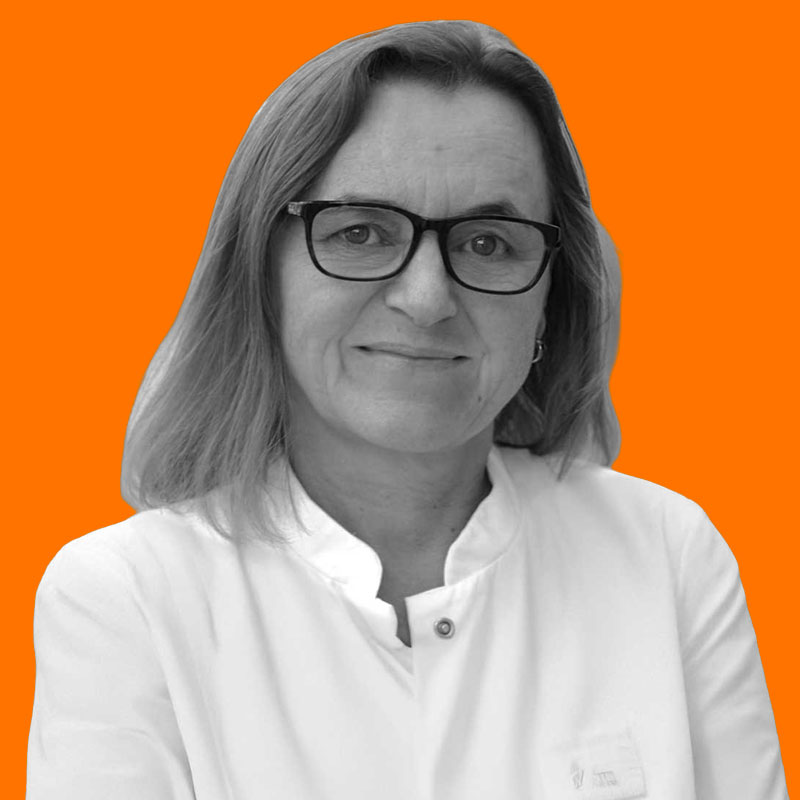
Carmen Scheibenbogen
Professor of Immunology Universitätsmedizin Berlin
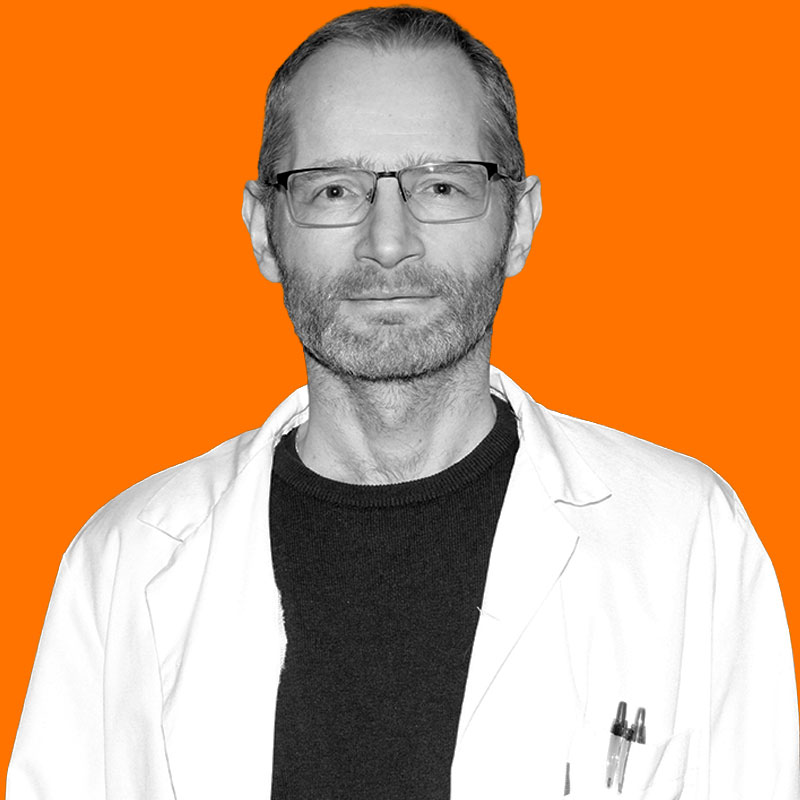
Karl Johan
Tronstad
Professor of Biochemistry and Molecular Biology University of Bergen
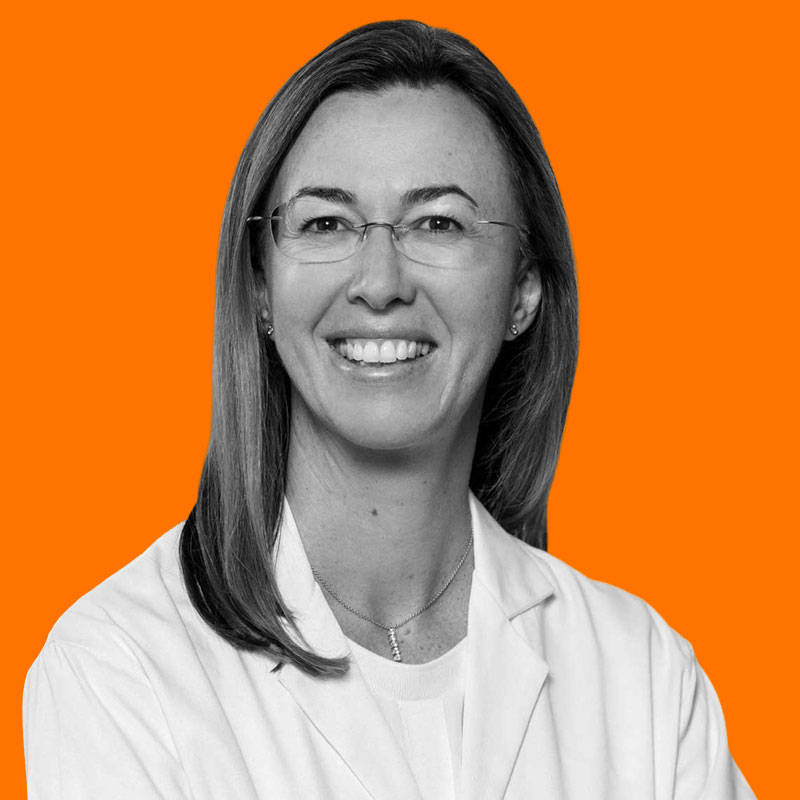
Eva
Untersmayr
Medical Specialist Immunology University of Vienna

Janneke van de Wijgert
Professor of Epidemiology University Medical Center Utrecht
Explore the 2026 Two-Day Program
Early-Career Award
For the 2026 edition, the ISLC-PAIS Conference and PAIS Summer School announced 12 Early-Career Awards of €500 to support early-career researchers who submitted a high-quality abstract and participated in both events. The information below describes the 2026 award scheme; applications are closed.
Eligibility
The 2026 award scheme was open to early-career researchers who submitted an abstract, registered for both the PAIS Summer School and Conference, and indicated their interest during the abstract submission process. Applications are closed.
Selection
The 2026 selection criteria prioritized eligible early-career researchers whose abstracts received the highest evaluation scores. The motivation submitted with the application could also be considered where needed.
Value
The 2026 award scheme specified a €500 contribution toward the costs of attending the PAIS Summer School and Conference, payable after attendance rather than as a reduction in registration fees.
Notification
The notification and presentation schedule described here related to the 2026 edition. The 2026 application process is closed.
Questions?
The PAIS Summer School is organised by the Netherlands ME/CFS Cohort and Biobank (NMCB), MECFS Lines and partner networks. researchers, for researchers. If you have any questions about the programme, registration process or travel awards, please don’t hesitate to contact us.
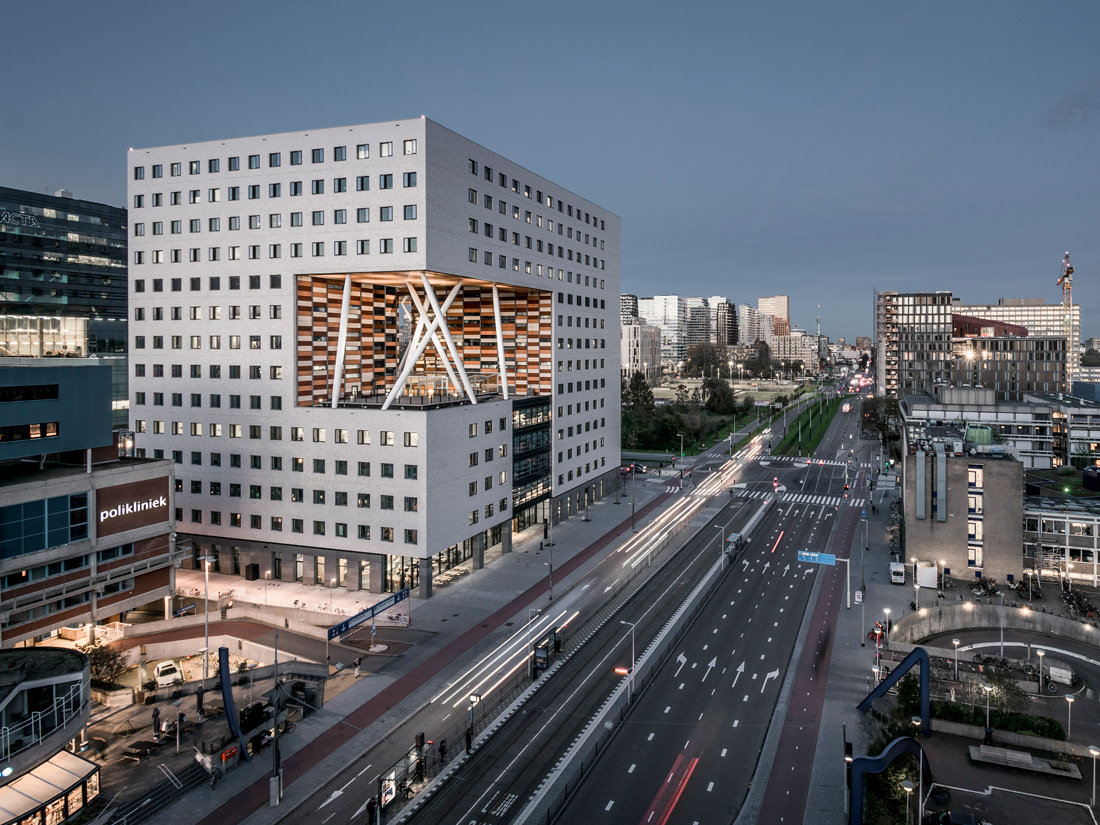
O|2 Lab Building
A Modern Research Environment
The O|2 Lab Building is home to researchers working across biomedical and health sciences disciplines. The building was created to encourage interaction between researchers from different disciplines, making it an ideal setting for discussion, networking and scientific exchange.
Home of the Organising Team
The O|2 Lab Building is home to the research group of Prof. Rob Wüst, co-organiser of the PAIS Summer School and Chair of the ISLC-PAIS Conference Foundation. His internationally recognised work on exercise physiology, muscle dysfunction and Post-Exertional Malaise has helped advance the understanding of Long COVID and related PAIS conditions.