Conference Program
Friday, August 28th
09:00 – 17:30
Please note that the scientific program officially begins at 09:00 in the Auditorium. The Grand Café (1st floor H’Art Museum) opens for conference delegates from 08:30 onwards.
Abstract numbers will become clickable a few days before the conference, when the online Conference Abstract Book is published and made publicly available.
Presentation slides and conference recordings will be released in phases after the conference. PDF and Vimeo icons that are greyed out or not clickable indicate that the content is not yet available.
Access to presentation slides and conference recordings is included for all registered in-person attendees (Early Career, Regular and Industry registrations) and Video On Demand purchasers.
Video on Demand packages will become available shortly, allowing structured online access to conference recordings after the event.
Auditorium
09:00–10:00
Chair: Jessica Maya and Michele van Vugt
Fri 28 Aug
09:05
55 min
Auditorium
Plenary 3 — Mechanism First: How PAIS Trials Must Evolve
Clinical trials in PAIS have repeatedly fallen short, not because the science isn’t there, but because trial design hasn’t kept pace. With growing insight into immune dysregulation, mitochondrial dysfunction, and viral persistence, we now have the tools to build smarter trials. The science of PAIS has evolved. It’s time trial design does too.
Michael Peluso | Associate Professor of Medicine
University of California, USA

10:00
30 min
Coffee, Tea & Water break + Poster Presentations
Grand Café
10:30 – 12:00 · Parallel Sessions
Parallel Session 4A — Blood Coagulation and Platelets
Auditorium
10:30–12:00
Chairs: Asad Khan and Amy Rochlin (CODA)
Fri 28 Aug
10:30
2 min
Auditorium
Biomedical Track
Introduction Session
Representing session sponsor Complex Disorders Alliance (CODA), Amy Rochlin, CEO of CODA, will introduce the keynote speaker. She will briefly reflect on the importance of accelerating collaborative, data-driven research to advance diagnostics and targeted treatments for Long COVID and related post-acute infection syndromes, setting the stage for Prof. Resia Pretorius’ keynote.
Amy Rochlin | Chief Executive Officer
Complex Disorders Alliance (CODA)

Fri 28 Aug
10:32
25 min
Auditorium
Biomedical Track
Thrombotic endothelialitis and fibrinaloid microclot complexes in Long COVID and post-viral disease
This plenary overviews our work on thrombotic endothelialitis and fibrinaloid microclots in Long COVID and post-viral disease. I introduce our newly described platelet-microclot thrombi (PMTs); composite hyperactivated platelet and amyloid fibrin structures; and present novel microclot phenotypes that track with symptom severity. I discuss molecular drivers, diagnostic platforms, and therapeutic implications for post-acute infection syndromes, including ME/CFS.
Resia Pretorius | Vice-Dean: Research and Postgraduate Studies in the Faculty of Science
Stellenbosch University, South Africa

Fri 28 Aug
11:02
15 min
Auditorium
Biomedical Track
Increased fibrinaloid microclot counts in platelet-poor plasma are associated with Long COVID, ME/CFS and recent SARS-CoV-2infection
Fibrinaloid microclots are implicated in Long COVID and ME/CFS. Using imaging microscopy we observed that plasma from Long COVID and ME/CFS samples contained higher microclot counts compared to controls. Recent SARS-CoV-2 infections were associated with higher microclot counts compared to controls, with equivalent counts to the Long COVID cohort, an effect that persisted over time. This session will discuss the measurement and potential use of microclots as biomarkers in Long COVID and ME/CFS.
Caroline Dalton | Associate Professor of Neuroscience and Genetics
Sheffield Hallam University
Fri 28 Aug
11:22
10 min
Abstract #40
Auditorium
Biomedical Track
Post-translational modifications in the insoluble fraction of platelet-poor plasma distinguish Pre-COVID-19 Postural Orthostatic Tachycardia Syndrome, Long COVID, and Long COVID-POTS
Can advanced proteomics reveal disease-specific molecular signatures in POTS and Long COVID? By comparing the insoluble plasma fraction from individuals with pre-COVID POTS, Long COVID with orthostatic intolerance, and Long COVID-POTS, this study explores whether distinct molecular patterns can help explain differences in disease mechanisms and support the development of future diagnostic biomarkers.
Renata Booyens | Junior Lecturer
Stellenbosch University, South Africa

Fri 28 Aug
11:36
10 min
Abstract #66
Auditorium
Biomedical Track
Platelet-Associated Mitochondrial DNA in Platelet-Poor Plasma Discriminates Post-COVID-19 Condition from Matched Controls
Can platelet-associated mitochondrial DNA help distinguish post-COVID-19 condition from healthy individuals? This study investigates mitochondrial and nuclear cell-free DNA responses before and after exercise, exploring how platelet biology may influence these molecular signals. The findings provide new insights into the potential of blood-based biomarkers for post-COVID-19 condition.
Elmo Neuberger | Doctor of Philosophy
Johannes Gutenberg-University Mainz, Germany

Fri 28 Aug
11:50
10 min
Abstract #107
Auditorium
Biomedical Track
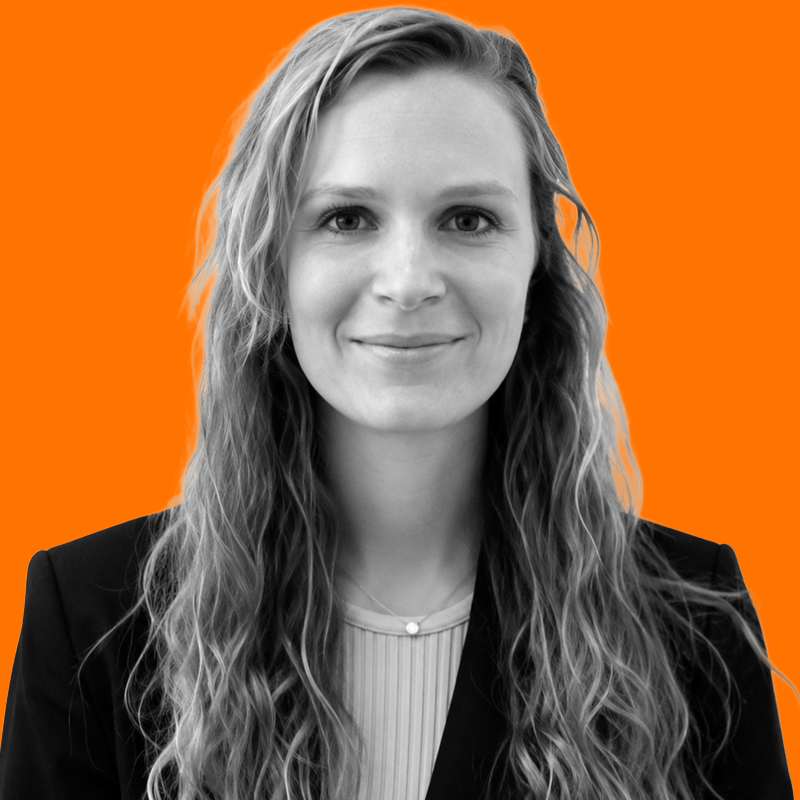
Microvascular Function and Endothelium-leukocyte Interactions in Long COVID
What role does the microcirculation play in the pathophysiology of Long COVID? This study investigates tissue oxygenation, microvascular function, and endothelium–leukocyte interactions in individuals with severe Long COVID and post-exertional malaise. The findings provide new insights into the vascular mechanisms that may contribute to persistent symptoms and functional impairment.
Julia Berentschot | PhD Student
Department of Respiratory Medicine, Erasmus Medical Center, Rotterdam, The Netherlands
Parallel Session 4B — Patient Stratification & Clinical Trial Design
Church Hall
10:30–12:00
Chairs: Carmen Scheibenbogen and David Joffe
Fri 28 Aug
10:30
30 min
Church Hall
Clinical Track
LC-REVITALIZE: A Precision Medicine–Driven Phase III Adaptive Platform Trial for Long COVID
This presentation highlights how large-scale plasma proteomics is uncovering the biological mechanisms driving Long COVID. By identifying shared disease pathways across patient populations worldwide, these discoveries have directly informed the design of the international LC-REVITALIZE Phase III adaptive platform trial evaluating targeted therapies for biologically defined Long COVID.
Douglas Fraser | Professor and Clinician Scientist
University of Western Ontario, Canada

Fri 28 Aug
11:00
15 min
Abstract #135
Church Hall
Clinical Track
Measure Absolutely Everything: Identifying the Dominoes of Complex Chronic Illness in the MIT MAESTRO Study
This presentation introduces the MIT MAESTRO study, which combines more than a million data points per participant to identify the biological “dominoes” driving Long COVID and Chronic Lyme Disease. Michal Caspi Tal will highlight how accessible, non-invasive tools such as nailfold capillaroscopy could support objective diagnosis, disease monitoring and more targeted treatment.
Michal Tal | Associate Scientific Director
Massachusetts Institure of Technology, USA

Fri 28 Aug
11:15
15 min
Abstract #17
Church Hall
Clinical Track
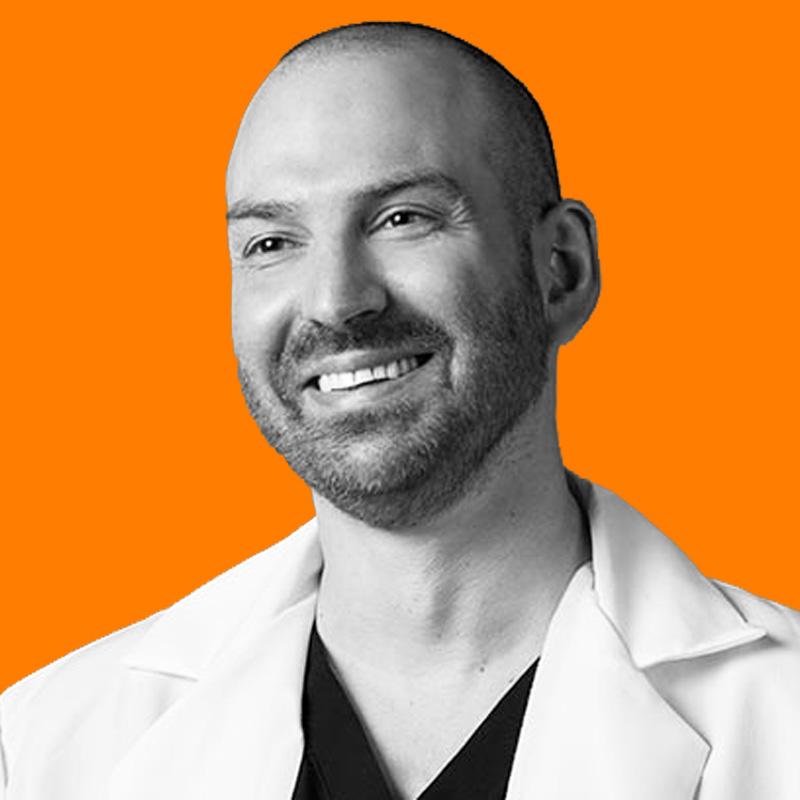
Microtesla Magnetic Therapy for Cognitive Impairment in Long COVID: A Randomized Controlled Feasibility Trial
Could an at-home magnetic therapy improve cognitive function in people with Long COVID? This randomized, triple-blind clinical trial investigates the feasibility, safety, and potential benefits of Microtesla Magnetic Therapy (MMT) for cognitive impairment and emotional well-being. The study explores an innovative, non-invasive treatment approach targeting the underlying mechanisms of post-infection neurological symptoms.
David Putrino | Director of Rehabilitation Innovation
Icahn School of Medicine at Mount Sinai, USA
Fri 28 Aug
11:34
10 min
Abstract #12
Church Hall
Clinical Track
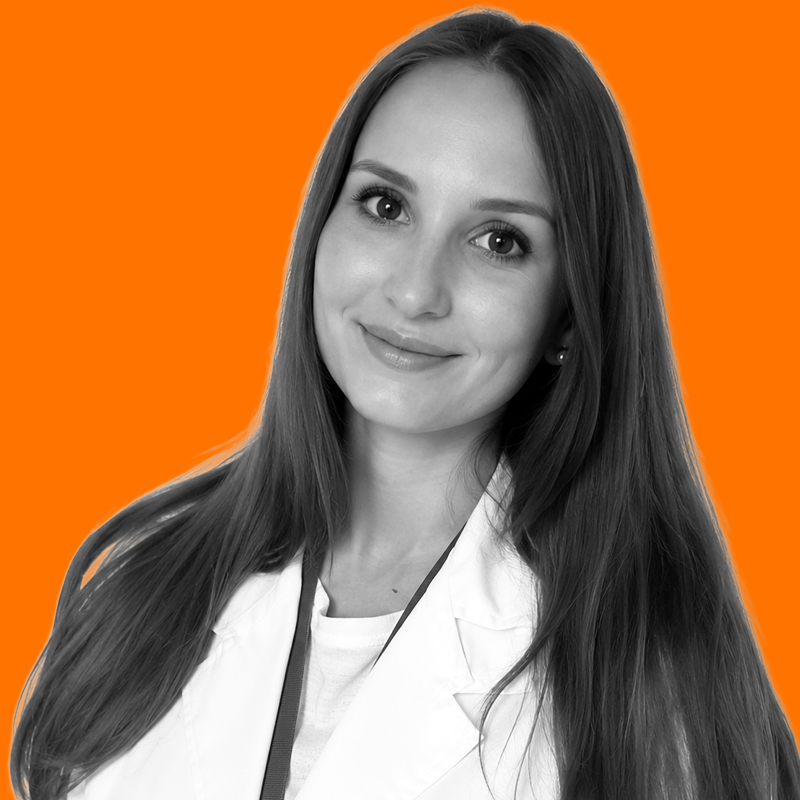
The Role of VSL#3® in the Treatment of Fatigue and Other Symptoms in Long Covid-19 Syndrome: a Randomized, Double-blind, Placebo-controlled Pilot Study (DELong#3)
Can targeted modulation of the gut microbiome help reduce fatigue in post-COVID syndrome? This randomized, double-blind, placebo-controlled trial investigates whether a multi-strain probiotic can improve fatigue, quality of life, and gastrointestinal health while exploring changes in the gut microbiome and immune system. The findings may provide new insights into microbiota-based therapeutic strategies for post-COVID syndrome.
Chiara Amoroso | Biologist Specialist
IRCCS Ca’ Granda Foundation Maggiore Policlinico Hospital, Milan, Italy
Fri 28 Aug
11:48
10 min
Abstract #108
Church Hall
Clinical Track
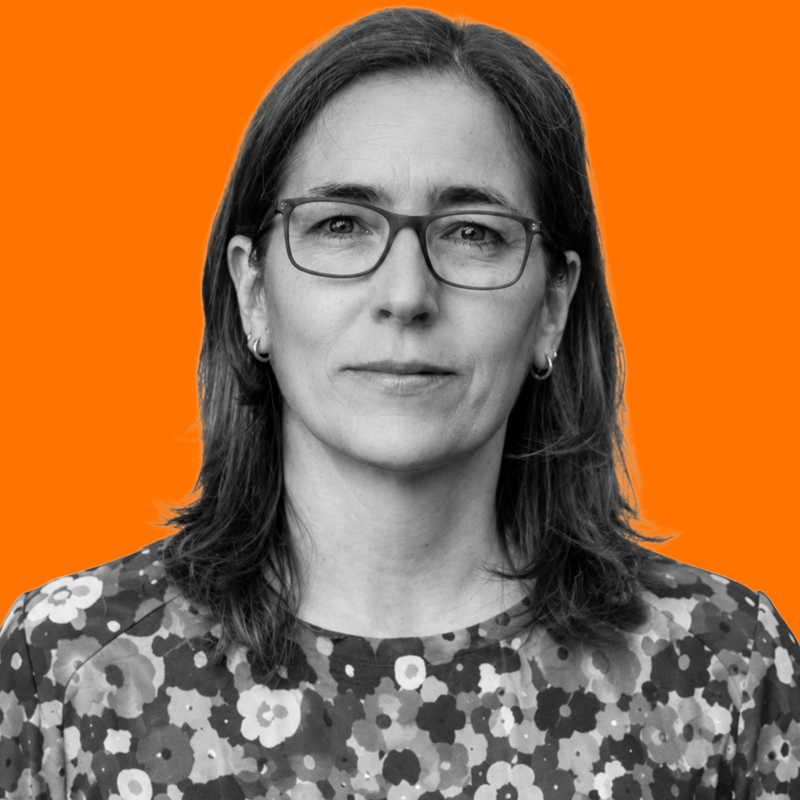
Results from the randomized placebo-controlled phase IIa VERI-LONG trial: Vericiguat in patients with post-COVID syndrome with and without ME/CFS
Can restoring endothelial function improve outcomes in Post-COVID syndrome and ME/CFS? This randomized, placebo-controlled Phase IIa trial investigates Vericiguat as a potential treatment for patients with persistent post-COVID symptoms and ME/CFS. The presentation will unveil the first efficacy and safety results from the VERI-LONG study, offering new insights into endothelial dysfunction as a therapeutic target.
Judith Bellmann-Strobl | Neurology Specialist
Charité – Universitätsmedizin Berlin, Germany
Parallel Session 4C — International Perspectives on PAIS
Washington
10:30–12:00
Chairs: Friðbjörn Sigurðsson and Anske van der Bom
Fri 28 Aug
10:30
25 min
Washington
Impact Track
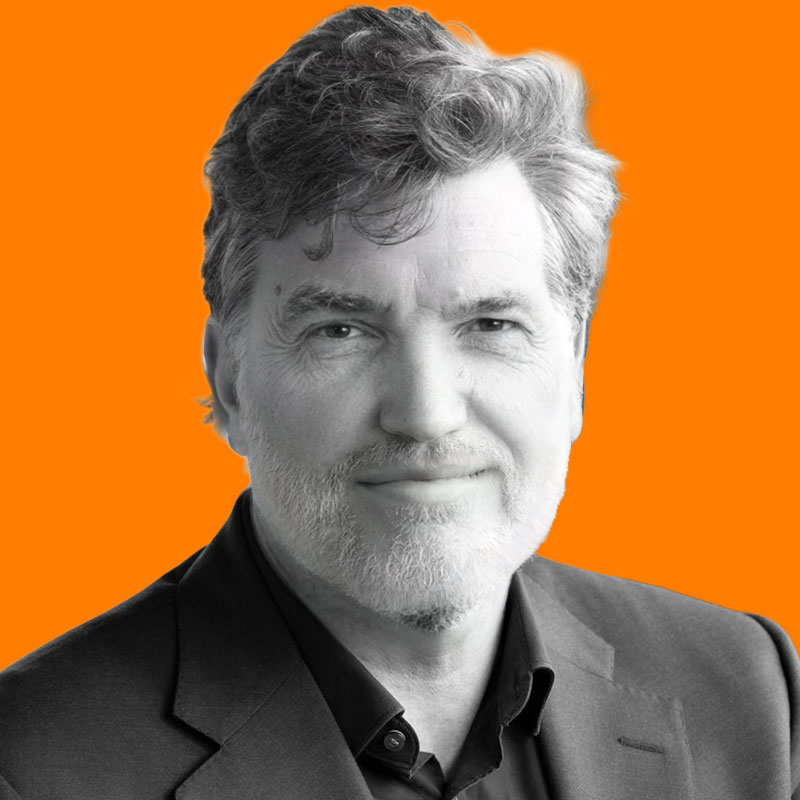
The NMCB multi-PAIS cohort and biobank: a comprehensive national resource connecting with PAIS cohorts and biobanks across Europe
The main project leader of the Netherlands ME/CFS Cohort and Biobank brings an international perspective to the development and harmonisation of ME/CFS and Long COVID biobanks. Drawing on The Netherlands ME/CFS Cohort and Biobank, Jos Bosch will discuss opportunities for international collaboration, harmonisation of biobank practices and data, and strengthening connections between research infrastructures across Europe and beyond.
Jos Bosch | Projectleader
The Netherlands ME/CFS Cohort and Biobank consortium
Fri 28 Aug
11:00
15 min
Abstract #140
Washington
Impact Track
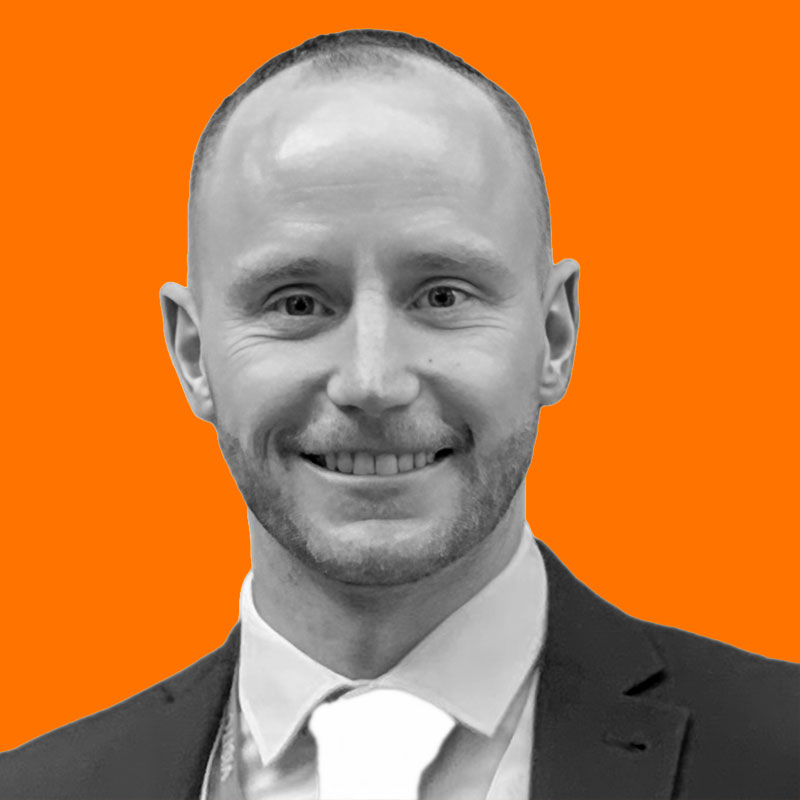
A WHO research agenda for rehabilitation of adults with Post COVID-19 Condition (Long COVID)
This study developed a global research agenda for safe and effective rehabilitation of people with Long COVID, particularly those experiencing post-exertional symptom exacerbation (PESE). Priorities include understanding disease mechanisms and symptom burden, improving screening and diagnosis, evaluating individualized rehabilitation approaches, and standardizing outcome measures. The agenda emphasizes patient-centred, equitable care and integrated service-delivery models to strengthen the evidence base for Long COVID rehabilitation.
Mark Faghy | Professor of Clinical Exercise Physiology
Loughborough University, United Kingdom
Fri 28 Aug
11:20
10 min
Abstract #154
Washington
Impact Track
Work participation trajectories before and after post-COVID condition: a nationwide Danish cohort study
How does post-COVID condition affect long-term participation in the workforce? Using nationwide Danish registry data, this study compares employment trajectories before and after a PCC diagnosis with matched controls. The findings provide important new insights into whether reduced work participation reflects pre-existing differences or is a direct consequence of developing post-COVID condition.
Cecilia Laursen | Physician and PhD Student
Department of Social Medicine and Rehabilitation, Gødstrup Hospital

Fri 28 Aug
11:34
10 min
Abstract #146
Washington
Impact Track
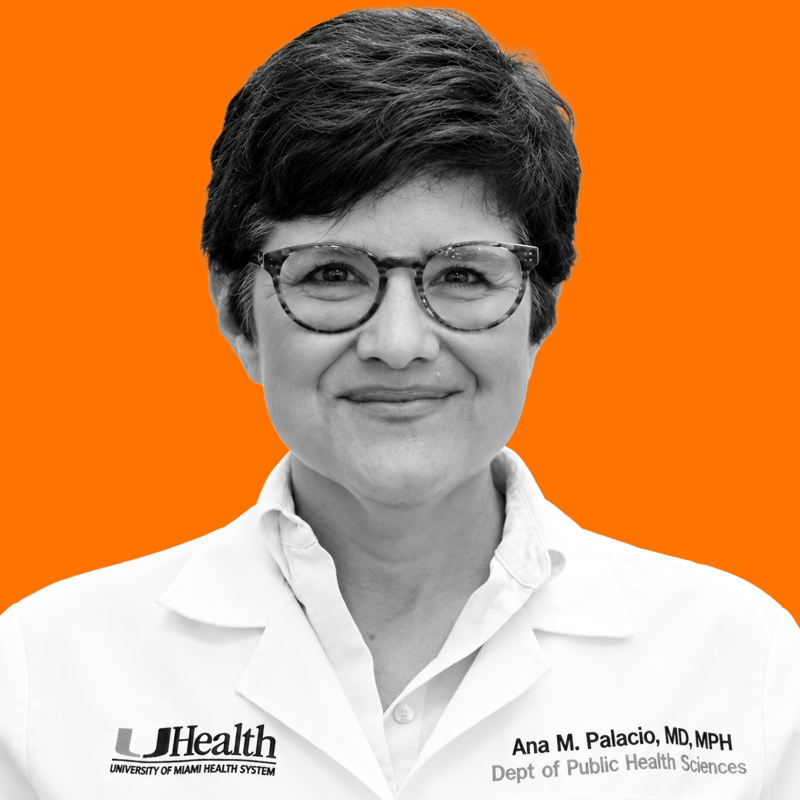
One Cohort, Three Trajectories: Baseline Profiles of Recovered, Boundary, and Unrecovered Participants in the COVID-UPP Study
How differently can people recover after COVID-19, and what do standard surveillance tools miss? Drawing on a prospective cohort of more than 1,000 participants in diverse South Florida communities, the COVID-UPP study identifies distinct recovered, boundary, and unrecovered profiles across fatigue, physical function, cognition, and post-exertional malaise. The findings highlight substantial heterogeneity in post-COVID illness and suggest that simple recovery questions may underestimate the true burden of PASC.
Ana Palacio | Professor of Public Health Sciences
University of Miami, USA
Fri 28 Aug
11:48
10 min
Abstract #69
Washington
Impact Track
Exploring the impact of Long Covid and support received in comparison with other chronic conditions using GP Patient Survey Data (England) 2023
How well are people with Long COVID supported compared with those living with other chronic conditions? Using one of the largest primary care patient surveys in England, this presentation explores the impact of Long COVID on daily life and reveals striking differences in access to care, shared decision-making, and ongoing support. The findings raise important questions about how healthcare systems can better meet the needs of people living with Long COVID.
Mirembe Woodrow | Knowledge Mobilisation Fellow & Senior Research Fellow
NIHR Applied Research Collaboration Wessex, University of Southampton, United Kingdom

12:00
120 min
Lunch & Poster Presentations
Grand Café
14:00 – 15:30 · Parallel Sessions
Parallel Session 5A — Mitochondria and Endothelial Dysfunction
Auditorium
14:00–15:30
Chairs: Resia Pretorius and Braeden Charlton
Fri 28 Aug
14:00
25 min
Auditorium
Biomedical Track
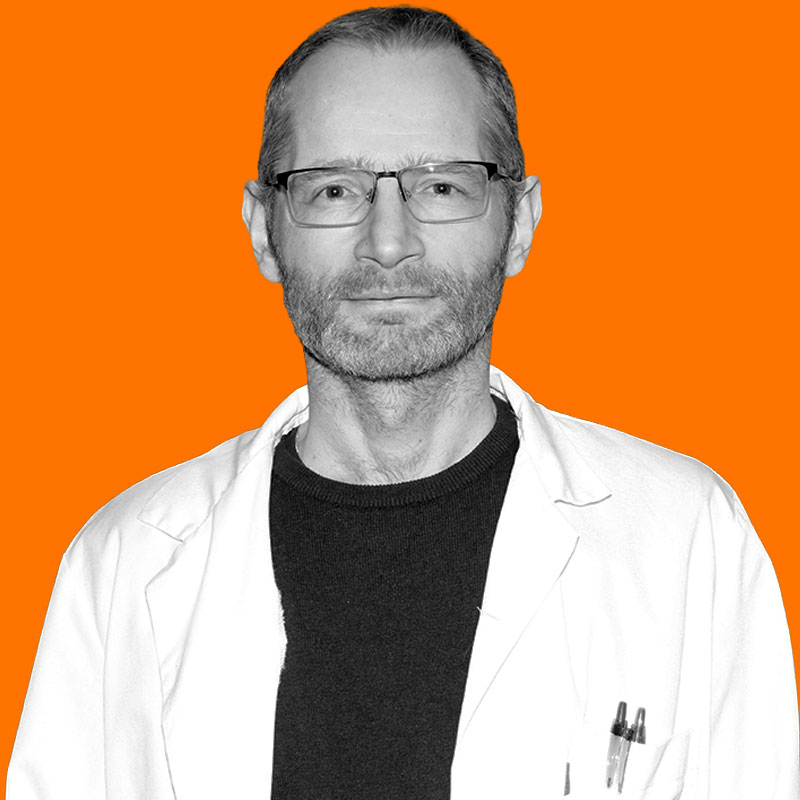
Charting molecular landscapes in ME/CFS blood: towards mechanistic understanding
Patients with ME/CFS display blood signatures of metabolic and proteomic changes that may reflect mitochondrial dysfunctionand vascular dysregulation. Applying multi-system molecular profiling to well-characterized patient cohorts, we have identified patterns of impaired energy metabolism and tissue-level stress. This talk presents recent findings and discusses how these molecular landscapes may advance mechanistic understanding of ME/CFS and inform future diagnostics and therapeutics.
Karl Johan Tronstad | Head of the Cell Metabolism group at the Department of Biomedicine
University of Bergen, Norway
Fri 28 Aug
14:30
10 min
Abstract #42
Auditorium
Biomedical Track
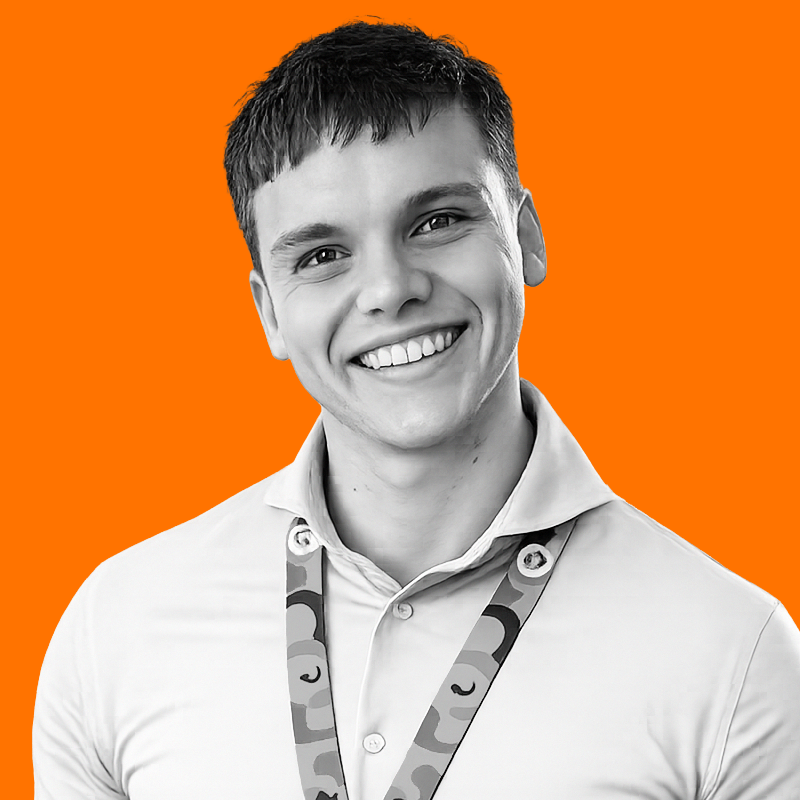
Evidence for altered mitochondrial metabolism in circulating Hematopoietic Stem Cells and immune cells of people with Long Covid.
Can changes in blood stem cells help explain Long COVID? This presentation explores alterations in circulating hematopoietic stem and progenitor cells, the cells responsible for generating the body’s blood and immune cells. By combining metabolic profiling with RNA sequencing, the study identifies mitochondrial and inflammatory changes that may point to bone marrow involvement in Long COVID and provide new insights into the biological mechanisms underlying persistent symptoms and post-exertional malaise.
Wout Maaskant | PhD Student
Department of Hematology, Erasmus MC, Rotterdam, The Netherlands
Fri 28 Aug
14:44
10 min
Abstract #162
Auditorium
Biomedical Track
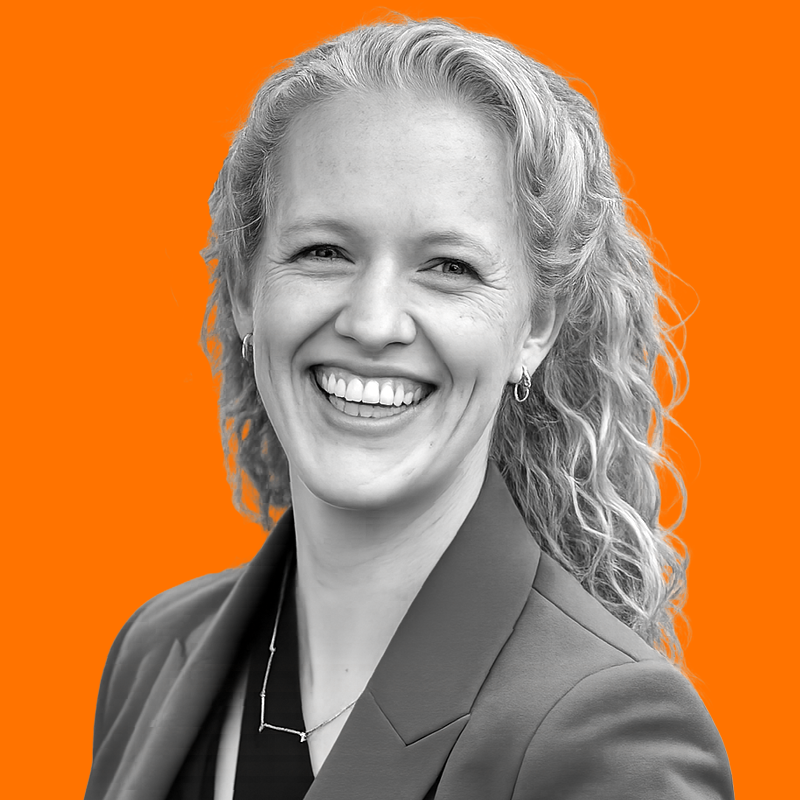
Capillary Basal Membrane Thickening and Endothelial Dysfunction impair Skeletal Muscle Oxygenation in Long COVID and ME/CFS
What happens inside the smallest blood vessels of people with Long COVID and ME/CFS? This presentation combines exercise testing, muscle biopsies and advanced imaging to investigate whether structural abnormalities in the microvasculature impair oxygen delivery to skeletal muscle. The findings provide new evidence that vascular changes may contribute to reduced exercise capacity, profound fatigue and post-exertional malaise in both conditions.
Anouk Slaghekke | PhD Student
VU University Amsterdam, the Netherlands
Fri 28 Aug
14:58
10 min
Abstract #142
Auditorium
Biomedical Track
Endothelial dysfunction is associated with immune dysfunction in long COVID
How are immune dysfunction and vascular damage connected in Long COVID? This study investigates whether abnormalities in non-classical monocytes contribute to endothelial dysfunction, a mechanism that may underlie cardiovascular complications in Long COVID. By combining advanced immune profiling with vascular function testing, the researchers provide new insights into the interaction between immune activation, endothelial stress and a pro-thrombotic state.
Leonardo Tamariz | Associate Professor
University of Miami, United States of America

Fri 28 Aug
15:12
10 min
Abstract #14
Auditorium
Biomedical Track
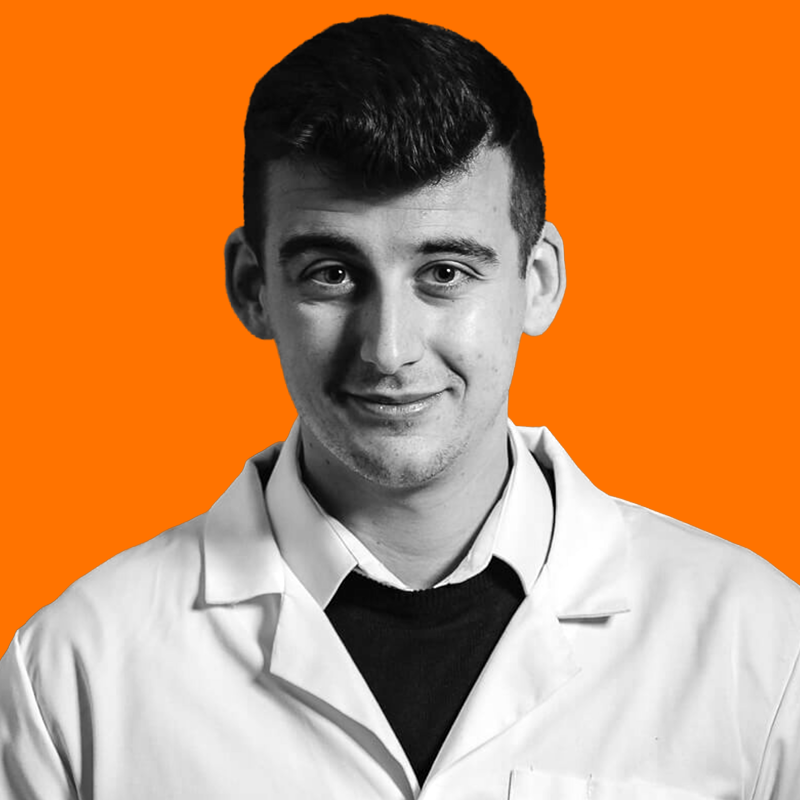
Impaired peripheral oxygen delivery during submaximal exercise in adults with long COVID
What happens to muscle oxygenation during repeated exercise in Long COVID? Using two consecutive cardiopulmonary exercise tests combined with near-infrared spectroscopy, this study investigates how skeletal muscle oxygenation changes during exertion. The findings suggest impaired oxygen delivery and recovery during repeated exercise, providing new insights into the biological mechanisms that may contribute to exercise intolerance and post-exertional symptom exacerbation in Long COVID.
Callum Thomas | Research Assistant
University of Derby, United Kingdom
Parallel Session 5B — Pediatrics & Adolescents
Church Hall
14:00–15:30
Chairs: Satish Raj and Binita Kane
Fri 28 Aug
14:00
25 min
Church Hall
Clinical Track
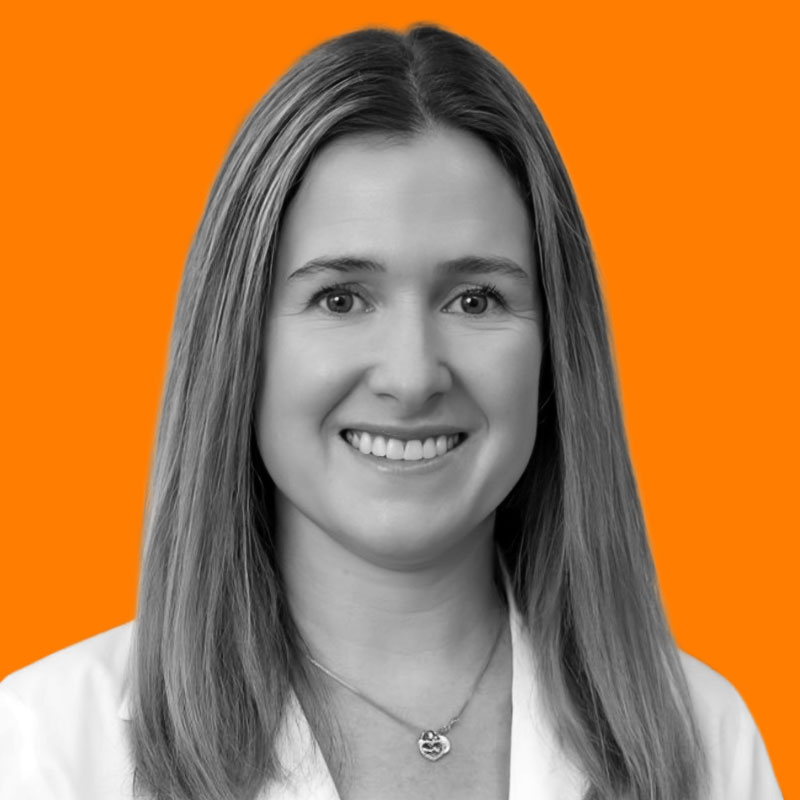
Long COVID in Children: Defining Disease Through Clinical Observation and Biomarkers
Long COVID is an important and distinct pediatric condition with unique clinical features and biological mechanisms. This presentation will review key clinical observations in children alongside emerging biomarkers of immune dysregulation, viral persistence, and barrier dysfunction, highlighting how translational research is advancing diagnosis, defining disease mechanisms, and informing targeted therapies for pediatric Long COVID.
Lael Yonker | Associate Professor Department of Pediatrics
UT Southwestern Medical Center, United States of America
Fri 28 Aug
14:30
15 min
Church Hall
Clinical Track
Immune and metabolic signatures in Pediatric Long COVID
In this session, professor Eijkelkamp will present findings from a large deeply phenotyped Dutch cohort of children with Long COVID and ME/CFS. Symptom burden is linked to functional impairment using NASA lean testing, cuff algometry, and handgrip strength, integrated with plasmaproteomics, metabolomics, and point-of-care flow cytometry. Our findings reveal alterations in arachidonic acid and NAD+metabolism, increased innate immune activity, and signals of autoimmunity.
Niels Eijkelkamp | Professor and Head of the Center for Translational Immunology
University Medical Center Utrecht, the Netherlands

Fri 28 Aug
14:50
10 min
Abstract #56
Church Hall
Clinical Track
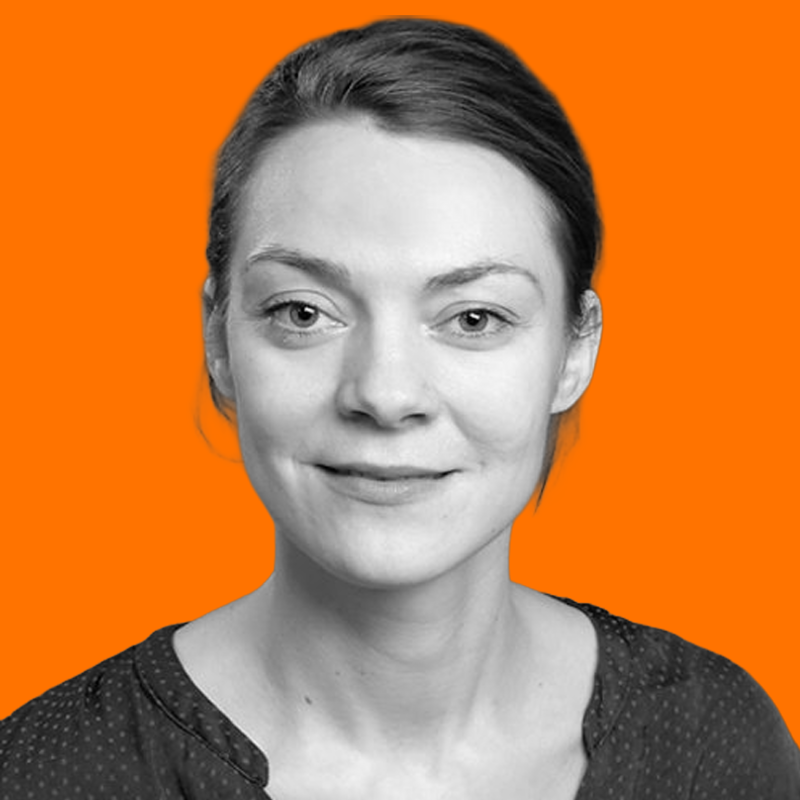
Long COVID-associated diagnoses among children and adolescents – an analysis of nationwide ambulatory claims data in Germany
Long COVID can have a lasting impact on children and adolescents, yet its true prevalence remains difficult to assess. Using nationwide German healthcare data, this study examines trends in Long COVID and ME/CFS diagnoses between 2018 and 2024. The findings provide valuable insights into the ongoing burden of post-infectious illness in young people and highlight important challenges for diagnosis, surveillance and healthcare planning.
Julia Nübel | Research Associate Department of Epidemiology and Health Monitoring
Robert Koch Institute, Berlin, Germany
Fri 28 Aug
15:04
10 min
Abstract #111
Church Hall
Clinical Track
Incidence and characteristics of pain in pediatric Post-COVID
Pain is increasingly recognised as an important symptom of pediatric Long COVID, but its underlying mechanisms remain poorly understood. This study explores pain patterns and signs of neuropathic pain in children and adolescents with Post-COVID syndrome, combining patient-reported outcomes with quantitative sensory testing. The findings provide new insights into a subgroup of young patients who may require more targeted assessment and treatment.
Tim Mocking | Postdoctoral Scientist
University Medical Center Utrecht, the Netherlands

Fri 28 Aug
15:18
10 min
Abstract #78
Church Hall
Clinical Track
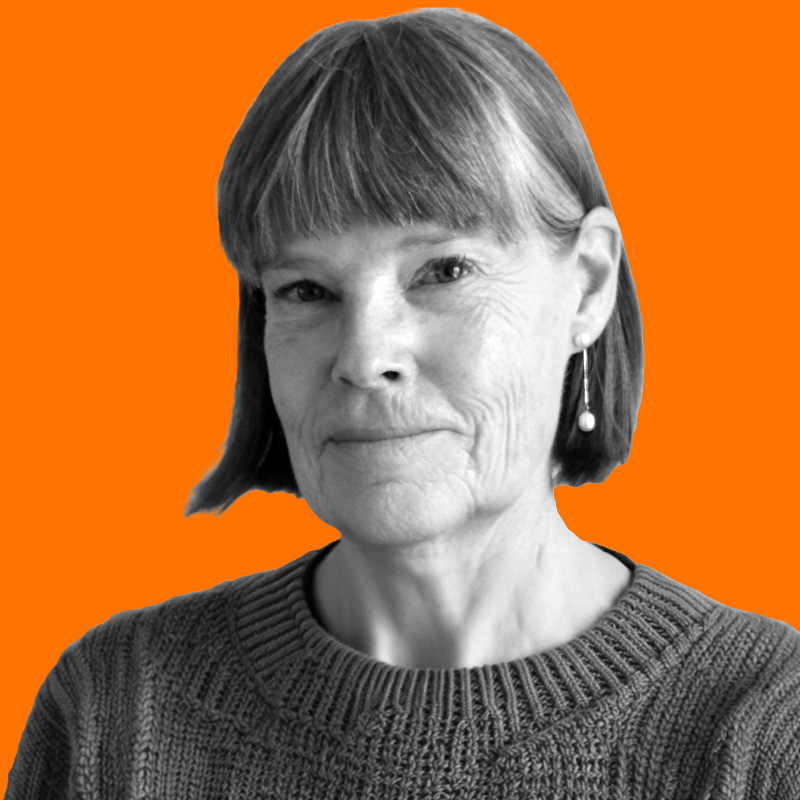
Delayed recognition of paediatric ME/CFS and PEM: Experiences, consequences, and implications for care
This presentation examines the experiences of more than 600 people whose ME/CFS began before the age of 18. It highlights the often prolonged journey to diagnosis, the impact of delayed recognition of post-exertional malaise (PEM), and the consequences for education, family life, and health. The findings underscore the importance of improving awareness of pediatric ME/CFS to enable earlier diagnosis, appropriate support, and to reduce the risk of avoidable harm.
Trude Schei | Deputy Secretary General
Norwegian ME-Association, Norway
Parallel Session 5C — Neurology
Washington
14:00–15:30
Chairs: Andrew Ewing and Danielle Beckman
Fri 28 Aug
14:00
10 min
Abstract #192
Washington
Impact Track
Brain fog in infection-associated chronic illnesses (IACI): novel insights from neurocognitive and molecular profiling of the maestro clinical study
Researchers from MIT present findings from the MAESTRO study, which combines advanced cognitive testing, eye-tracking, EEG, autonomic assessments, and extensive biological profiling to better understand “brain fog” in Long COVID and post-treatment Lyme disease. The study identifies measurable differences in cognitive performance, reaction time, and physiological function, while exploring how these changes relate to neuroinflammation, autonomic dysfunction, and underlying biological mechanisms. This integrated approach may contribute to the development of objective biomarkers and improved monitoring of infection-associated chronic illnesses.
Michal Tal | Associate Scientific Director MIT Center for Gynepathology Research
Massachusetts Institute of Technology
Fri 28 Aug
14:14
10 min
Abstract #31
Washington
Impact Track
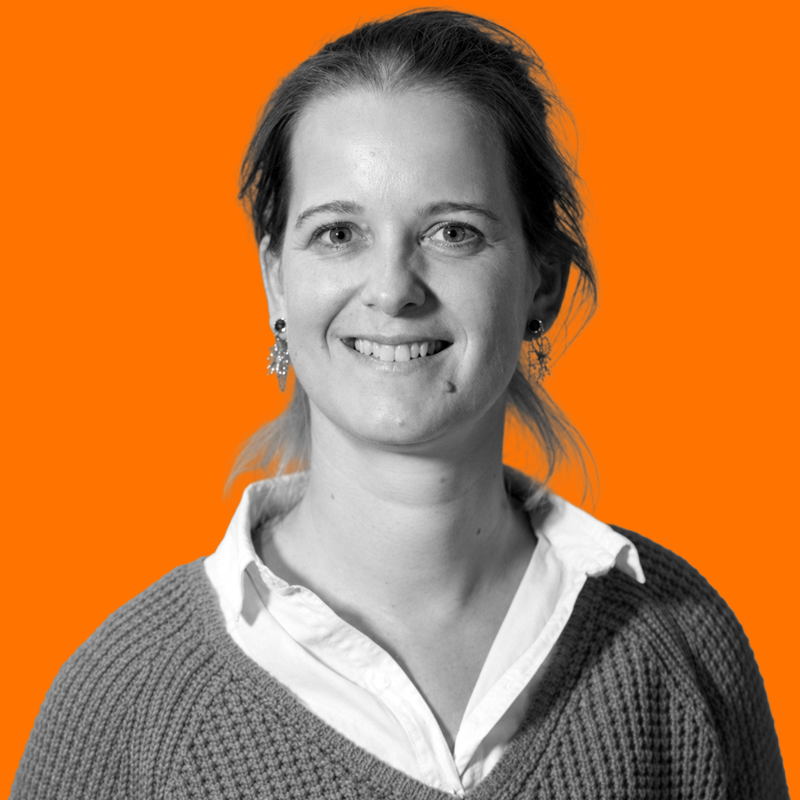
Unravelling the link between neuroinflammation, auto-immunity and neurological dysfunction in Long COVID patients
Can antibodies from people with Long COVID directly trigger neurological symptoms? This presentation explores whether antibodies from people with Long COVID can induce sensory, cognitive, and behavioural changes by transferring patient-derived IgG to animal models. The findings provide new insights into the potential role of autoantibodies in neuroinflammation, brain fog, fatigue, and other neurological symptoms, bringing researchers a step closer to understanding the biological mechanisms underlying Long COVID.
Hanneke Willemen | Assistant Professor Center for Translational Immunology
University Medical Center Utrecht, the Netherlands
Fri 28 Aug
14:28
10 min
Abstract #139
Washington
Impact Track
Cognitive fatigue is related to reduced cerebral perfusion and sustained attention in patients with post COVID-19 condition: An fMRI study
Using advanced MRI techniques and cognitive performance testing, this study investigates the relationship between cerebral blood flow, processing speed and fatigue in people with Post-COVID-19 Condition. The findings offer new insights into the neurological mechanisms that may contribute to persistent cognitive fatigue in Long COVID.
Sonia Miri Hedberg | Physician & PhD Student
Karolinska Institute, Stockholm, Zweden

Fri 28 Aug
14:42
10 min
Abstract #64
Washington
Impact Track
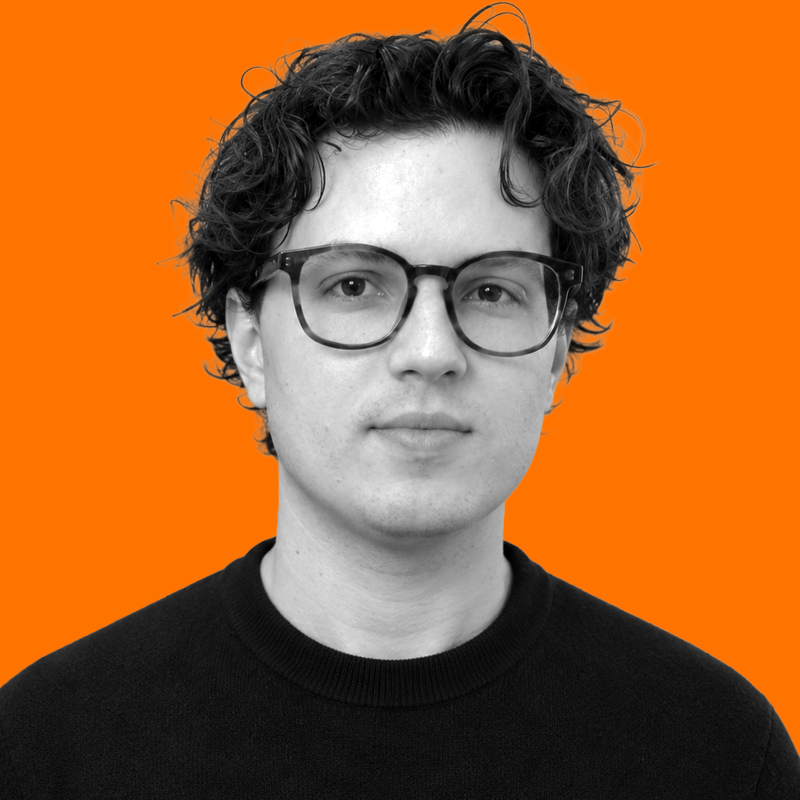
Reduced corticotropin-releasing hormone neuron numbers and a dystrophic microglial phenotype accompany hypothalamic–pituitary–adrenal axis hypoactivity in ME/CFS
What happens in the brain of people with ME/CFS? By combining machine learning with detailed postmortem brain analyses, this study identifies changes in the hypothalamus linked to hormonal regulation and reveals evidence of altered microglial function rather than classical neuroinflammation. These findings offer important new clues to the neurobiology of ME/CFS and may help guide future mechanistic and therapeutic research.
Felipe Correa da Silva | Postdoctoral Researcher
University of Amsterdam, the Netherlands
Fri 28 Aug
14:56
10 min
Abstract #143
Washington
Impact Track
Amygdala and Insula Retraining (AIR) Improves Fatigue, Dysautonomia, and Inflammatory Markers in Long COVID: A Pilot Randomized Controlled Trial
Can targeted brain retraining reduce the burden of Long COVID? This randomized controlled trial evaluates Amygdala and Insula Retraining (AIR), a neuroplasticity-based intervention designed to restore autonomic and immune regulation. Participants receiving AIR experienced significant improvements in fatigue, overall symptom burden, autonomic dysfunction, and daily functioning. Objective measures also showed increased heart rate variability and reduced inflammatory markers, providing early evidence that targeting brain–autonomic–immune interactions may offer a promising complementary treatment approach for Long COVID.
Ana Palacio | Professor of Clinical Medicine
University of Miami – Miller School of Medicine
Fri 28 Aug
15:10
10 min
Abstract #26
Washington
Impact Track
Altered cerebral perfusion response to a modulated motor task in ME/CFS
This presentation examines how cerebral blood flow responds to physical effort in people with ME/CFS. The findings show impaired perfusion in a key brain region involved in attention and cognition during increasing exercise demands, providing new evidence that reduced metabolic support in the brain may contribute to cognitive symptoms and post-exertional worsening.
Leda Maffei | PhD Candidate
University Medical Center Groningen, Groningen, the Netherlands

15:30
30 min
Coffee, Tea & Water break + Poster Presentations
Grand Café
16:00 – 17:30 · Parallel Sessions
Parallel Session 6A — Neurological Dysfunction
Auditorium
16:00–17:30
Chairs: Andrew Ewing and Niels Eijkelkamp
Fri 28 Aug
16:00
25 min
Auditorium
Biomedical Track
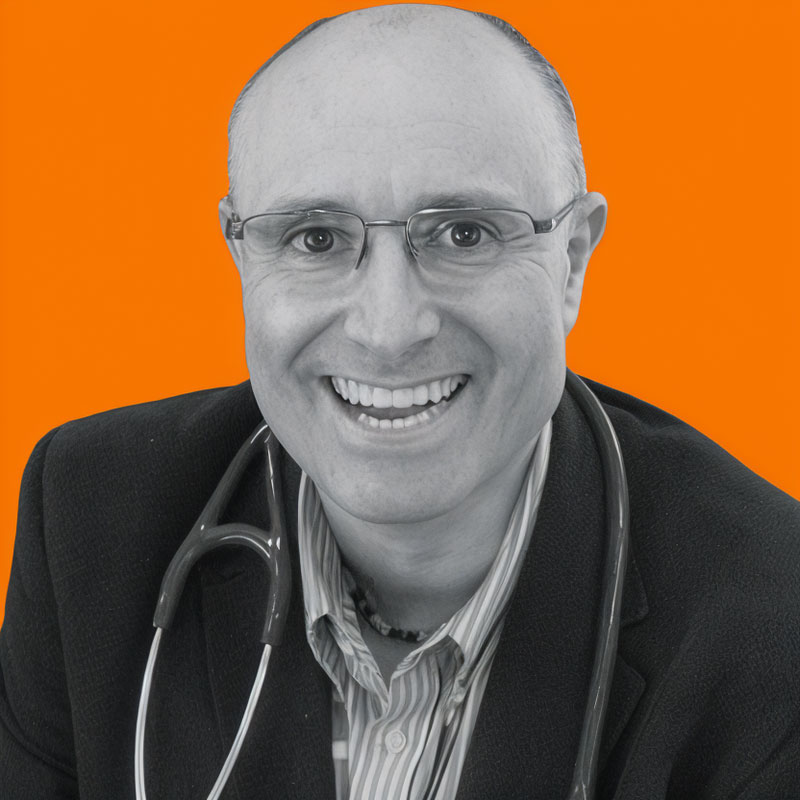
The Neurobiology of sleep in Long COVID | COVID Makes Us Fat – A Theory
Sleep disturbances are a hallmark of Long COVID and may reflect underlying changes within the brain. This presentation explores the neurovirological mechanisms of Neuro-COVID, with a focus on how SARS-CoV-2 may contribute to neurological dysfunction and metabolic alterations. Dr. Joffe will discuss the latest evidence linking these processes to persistent symptoms and their implications for understanding and treating Long COVID.
David Joffe | Senior Staff Physician
Royal North Shore Hospital
Fri 28 Aug
16:30
15 min
Auditorium
Biomedical Track
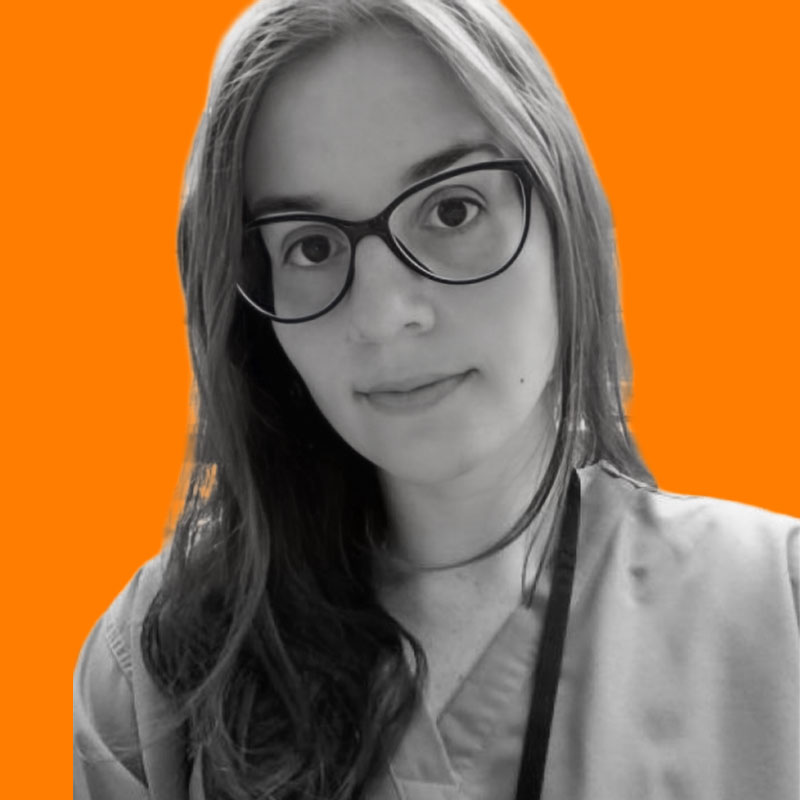
NeuroCOVID: From Viral Neuroinvasion to Long-Term Brain Dysfunction
Neurological symptoms are among the most common and persistent consequences of COVID-19, yet their underlying mechanisms remain incompletely understood. This talk will discuss evidence from translational models showing how SARS-CoV-2 reaches the brain, induces neuronal injury, neuroinflammation, and vascular dysfunction, and how aging increases brain vulnerability. These findings provide a mechanistic framework for understanding NeuroCOVID and its long-term neurological sequelae.
Danielle Beckman | Senior Scientist
Institute for Intelligent Biotechnologies, Helmholtz Munich, Germany
Fri 28 Aug
16:50
10 min
Abstract #8
Auditorium
Biomedical Track
Long COVID related Differences in Brainstem-Hypothalamic and Limbic-Thalamic Connectivity: A DTI and Volumetric MRI Study
Using advanced MRI techniques, this study identifies widespread structural differences in brain networks involved in memory, motor function, autonomic regulation, and homeostasis in people with Long COVID. The findings highlight altered connectivity between the brainstem, hypothalamus, limbic system, and thalamus, providing new insights into the neurological basis of persistent symptoms such as fatigue, cognitive dysfunction, and autonomic impairment.
Christof Peter Ziaja | Research of Neuroradiology
Prof. Stark Institut for Stress and Fatigue Research and Therapy, Hamburg, Germany

Fri 28 Aug
17:04
10 min
Abstract #105
Auditorium
Biomedical Track
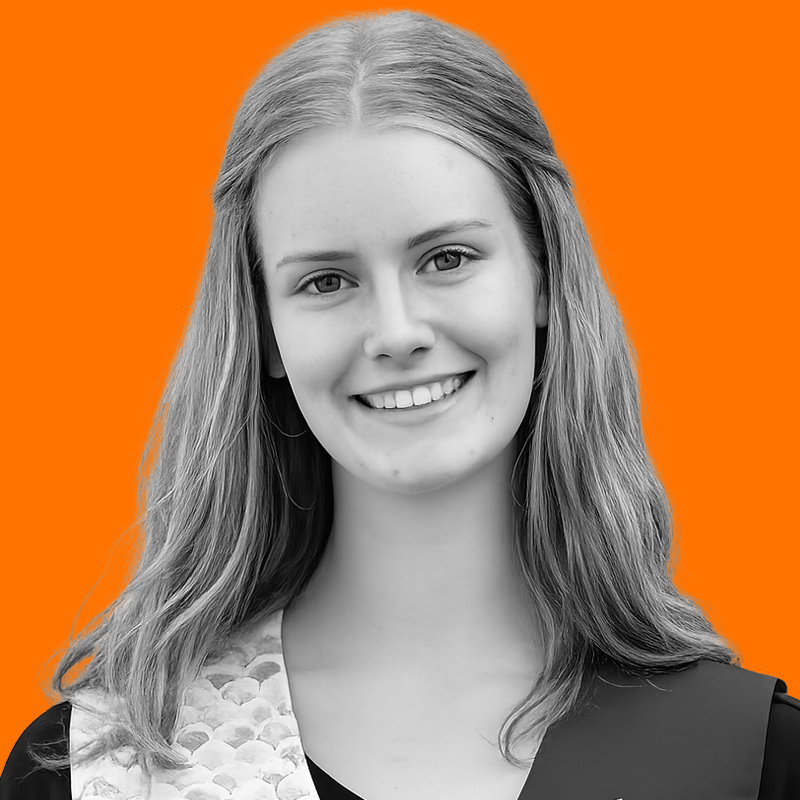
SARS-CoV-2 infection induces neurodegeneration-associated neuropathological changes in a non-human primate model
This study explores how SARS-CoV-2 infection affects the brain using a non-human primate model. The researchers identified neuronal injury, neuroinflammation, and protein aggregation associated with neurodegenerative diseases, providing new insights into the biological mechanisms that may underlie long-term neurological complications after COVID-19.
Anouk Dijkstra | Department Neurobiology & Aging,
Biomedical Primate Research Centre, Rijswijk, the Netherlands
Fri 28 Aug
17:18
10 min
Abstract #16
Auditorium
Biomedical Track
Investigating EV-miRNA-regulated inflammatory and stress pathways in SARS-CoV-2–associated neurodegeneration
This research explores how COVID 19 may cause lasting neurological symptoms such as cognitive impairment and fatigue. It investigates whether extracellular vesicles and the microRNAs they carry could help explain possible links between Long COVID and neurodegenerative conditions such as Alzheimer’s and Parkinson’s disease.
Gunjan Bawne | PhD candidate, Department of Advanced in vitro Model Systems (AIMS)
Biomedical Primate Resaerch Centre, Leiden, the Netherlands

Parallel Session 6B — Cardiopulmonary, Autonomic & Vascular Dysfunction
Church Hall
16:00–17:30
Chairs: Melvyn Lafeber and Rashmin Hira
Fri 28 Aug
16:00
25 min
Church Hall
Clinical Track
Long COVID Autonomic Problems: POTS & IOH
This session explores autonomic dysfunction in Long COVID, with a focus on how these disorders evolve over time. Dr. Raj will discuss the diagnosis of postural orthostatic tachycardia syndrome (POTS) and initial orthostatic hypotension (IOH), review findings from formal autonomic testing, and provide practical insights into current management strategies for these frequently overlooked conditions.
Satish Raj | Cardiologist
University of Calgary, Calgary, Canada

Fri 28 Aug
16:30
15 min
Church Hall
Clinical Track
Cardiovascular considerations in Long COVID
This session explores the cardiovascular manifestations of Long COVID, covering the underlying science, clinical assessment, and current approaches to patient care. It will provide practical insights into recognising cardiovascular complications and translating emerging evidence into everyday clinical practice.
Rae Duncan | Consultant Cardiologist Cardiothoracic Deparment
Newcastle Hospitals NHS FoundationTrust and Newcastle University, Newcastle, United Kingdom

Fri 28 Aug
16:50
10 min
Abstract #13
Church Hall
Clinical Track
Long-COVID patients are experiencing increased blood pressure and sympathetic nervous system tone over time
This study follows Long COVID patients over time to investigate changes in autonomic function. Although many participants showed improvement and no longer met criteria for clinical autonomic disorders, persistent alterations in sympathetic nervous system activity suggest that underlying autonomic recovery may continue long after the acute infection.
Rashmin Hira | PhD Candidate in the Cardiovascular and Respiratory Sciences Program
Libin Cardiovascular Institute, Cumming School of Medicine, University of Calgary, Canada

Fri 28 Aug
17:04
10 min
Abstract #183
Church Hall
Clinical Track
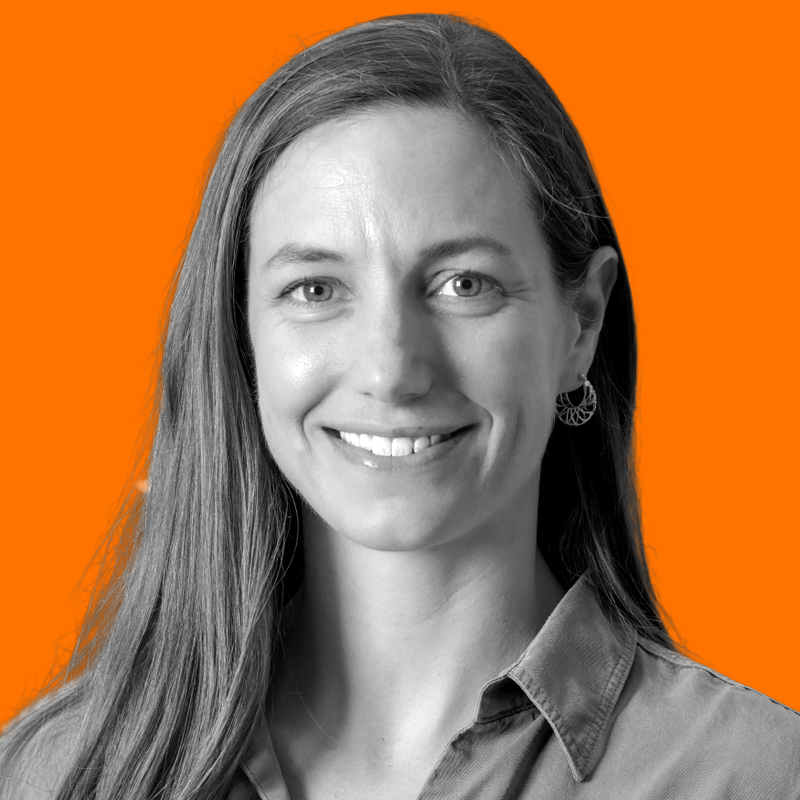
Cardiovascular Risk in Long COVID: A retrospective cohort study of COVID-19 positive US Veterans
This large population study investigates whether Long COVID is associated with an increased risk of cardiovascular events. The findings demonstrate that people with Long COVID face a significantly higher cardiovascular risk than those who recover fully from COVID-19, highlighting the importance of long-term cardiovascular monitoring and preventive care.
Elizabeth Bast | Internist
Miami VA Healthcare System, Miami, United States of America
Fri 28 Aug
17:18
10 min
Abstract #125
Church Hall
Clinical Track
Symptom Provocation During a 10-Minute Stand Test Distinguishes Long COVID from Recovered Controls
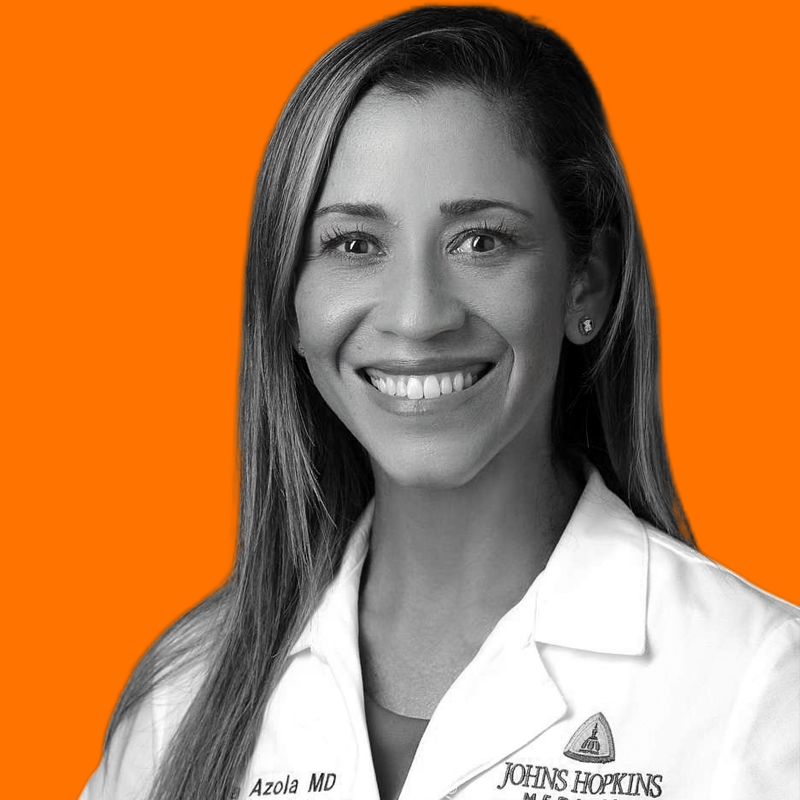
This study evaluates whether a simple 10-minute passive stand test, combined with symptom assessment, can improve the clinical evaluation of autonomic dysfunction in Long COVID. The findings show that symptom-based assessment identifies significant orthostatic and autonomic impairment, even when standard hemodynamic criteria fail to distinguish patients from recovered individuals.
Alba Azola | Assistant Professor & Research Fellow
Johns Hopkins University School of Medicine, Baltimore, United States of America
Parallel Session 6C — Immunology in PAIS
Washington
16:00–17:30
Chairs: Odilia Corneth and Caroline Dalton
Fri 28 Aug
16:00
10 min
Abstract #89
Washington
Impact Track
Sex-dependent neutrophil activation patterns contribute to immune heterogeneity in ME/CFS
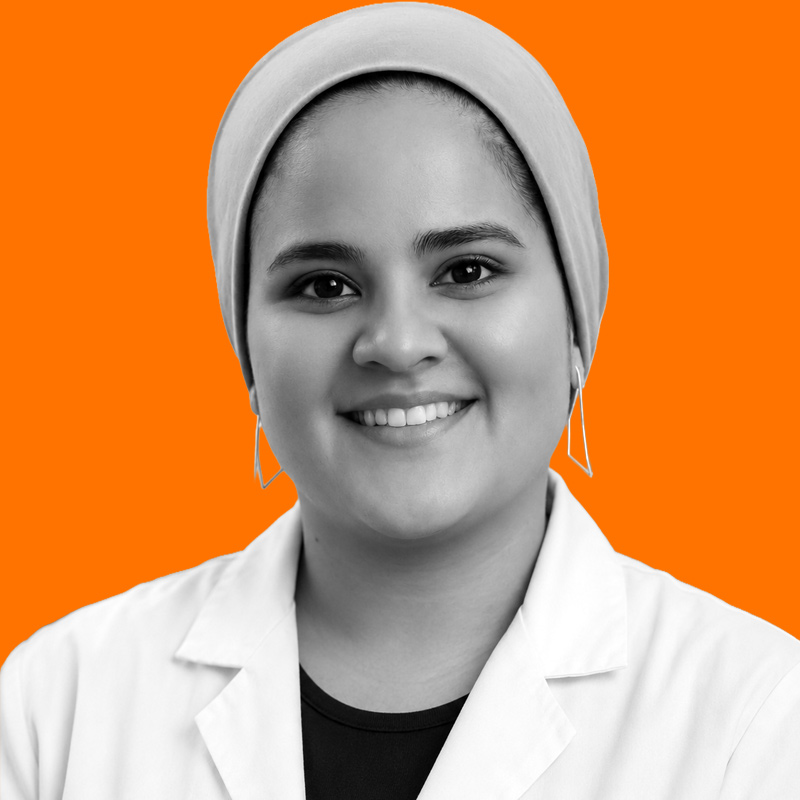
Neutrophils play a key role in the body’s first-line immune defence, yet little is known about how they function in ME/CFS. This study explores sex-specific differences in neutrophil activation, migration and inflammatory responses, revealing distinct immune patterns that may help explain the biological heterogeneity of ME/CFS and provide new insights into endothelial dysfunction and disease mechanisms.
Taqwa Gad | Medical Student Department of Anaesthesiology & ME/CFS Research Group
University Hospital Regensburg, Germany
Fri 28 Aug
16:14
10 min
Abstract #87
Washington
Impact Track
Differential regulation of neutrophil CD16 surface expression after low-dose epinephrin stimulation in ME/CFS and healthy controls
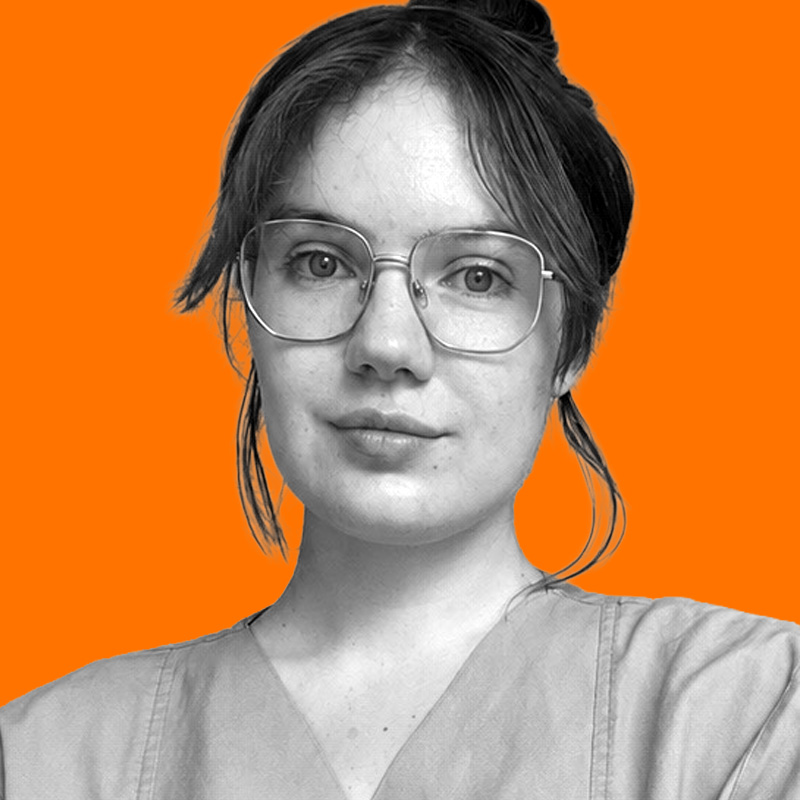
This study explores how neutrophils from people with ME/CFS respond to adrenergic stimulation. The results suggest altered regulation of innate immune cells, supporting a potential link between autonomic dysfunction and immune dysregulation in ME/CFS.
Sophie Deckenbach | PhD student MIRACLE Research Group Department of Anesthesiology
University Hospital Regensburg, Regensburg, Germany
Fri 28 Aug
16:28
10 min
Abstract #175
Washington
Impact Track
Altered Monocyte Transcripts and PBMC Cytokine Production in ME/CFS Compared with Healthy Controls and Long COVID
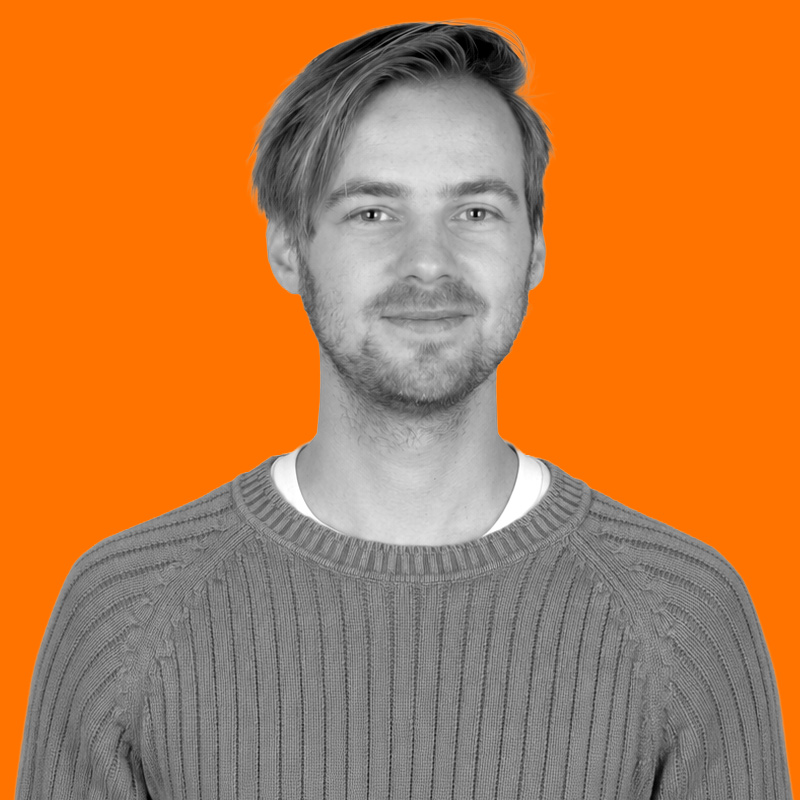
ME/CFS and Long COVID share many clinical symptoms, yet their underlying biology may differ. This study compares inflammatory gene expression and immune signaling in both conditions, identifying persistent monocyte activation in ME/CFS but not in long-standing Long COVID, providing new insights into the distinct immune mechanisms that may drive these post-infectious illnesses.
Bart Humer | Department of Immunology
Erasmus MC, University Medical Center, Rotterdam, the Netherlands
Fri 28 Aug
16:42
10 min
Abstract #187
Washington
Impact Track
Modulation of monocytic phagocytosis activity in Long COVID
This study examines how monocyte phagocytic activity is altered in Long COVID and how these immune responses relate to inflammatory signalling. The findings reveal distinct patient subgroups with different levels of monocyte activation and identify cytokine signatures associated with enhanced phagocytosis, providing new insights into immune heterogeneity and persistent myeloid dysfunction in Long COVID.
Thashani Gunasekera | PhD Student
Sheffield Hallam University, Sheffield, United Kingdom

Fri 28 Aug
16:56
10 min
Abstract #97
Washington
Impact Track
Altered Cellular Metabolism in ME/CFS and Transcriptomic Overlap with Long COVID
This study combines functional metabolic assays with multi-omics analyses to investigate the biological mechanisms underlying ME/CFS and Long COVID. The findings demonstrate shared disturbances in cellular energy metabolism and identify common molecular signatures, including potential biomarkers that distinguish both conditions from healthy controls.
Sarah Annesley | Senior Researcher & Head Molecular Cell Biology Laboratory
La Trobe University, Melbourne, Australia
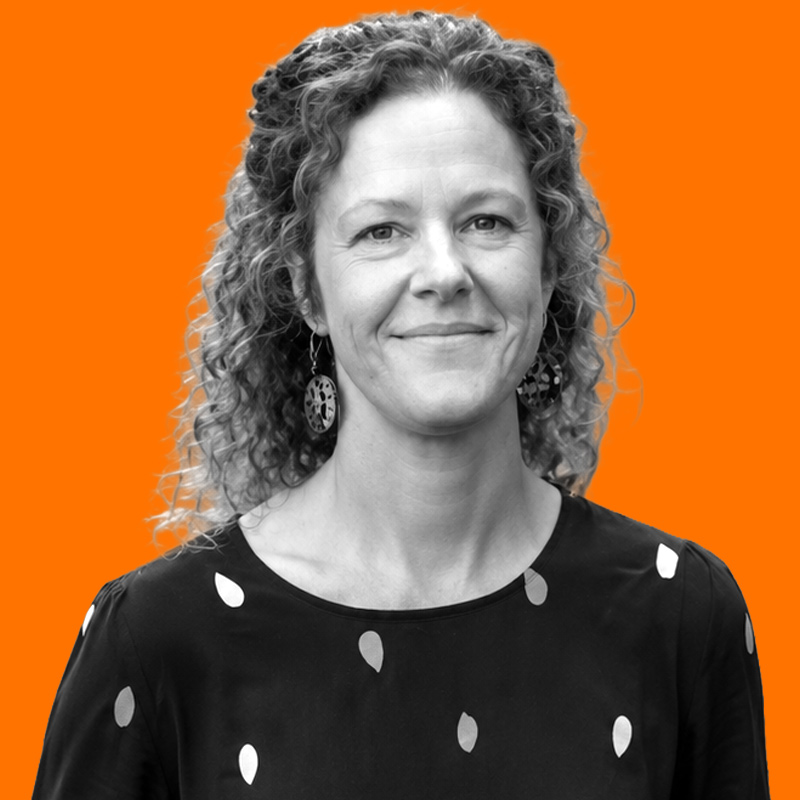
Fri 28 Aug
17:10
10 min
Abstract #184
Washington
Impact Track
A Multi-Layer Disease Map for Decoding post-COVID Mechanisms
This presentation introduces an interactive disease map that integrates molecular, imaging, and clinical data to explore the biological mechanisms underlying Long COVID. By connecting neuroinflammation, blood-brain barrier dysfunction, autonomic regulation, and immune pathways, the platform aims to support biomarker discovery, patient stratification, and future collaborative research.
Martina Summer-Kutmon | Associate Professor Centre for Systems Biology and Bioinformatics
Maastricht University, Maastricht, the Netherlands

17:30
60 min
Reception & Poster Presentations
Grand Café